Dealership auto transport involves more than moving vehicles from one location to another. Dealers must coordinate inventory availability, auction release dates, customer delivery deadlines, multiple vehicle identification numbers, lot access, vehicle condition records, and communication between several parties.
Whether you are moving one vehicle from an auction, transferring inventory between dealerships, or coordinating a multi-vehicle shipment across several states, a clear transportation plan can reduce delays and protect your inventory.
This dealership auto transport guide explains how the process works, which shipping options are available, how to prepare vehicles, what affects pricing, and how to choose a reliable transportation partner.
How Does Dealership Auto Transport Work?
Dealership auto transport is the coordinated movement of vehicles between auctions, dealer locations, distribution centers, reconditioning facilities, and customers.
The dealership provides the vehicle details, pickup and delivery information, release documents, and scheduling requirements. A transport provider then matches the shipment with an appropriate carrier, coordinates pickup, documents the vehicle’s condition, provides shipment updates, and confirms the condition again at delivery.
When Do Dealerships Need Vehicle Transport?
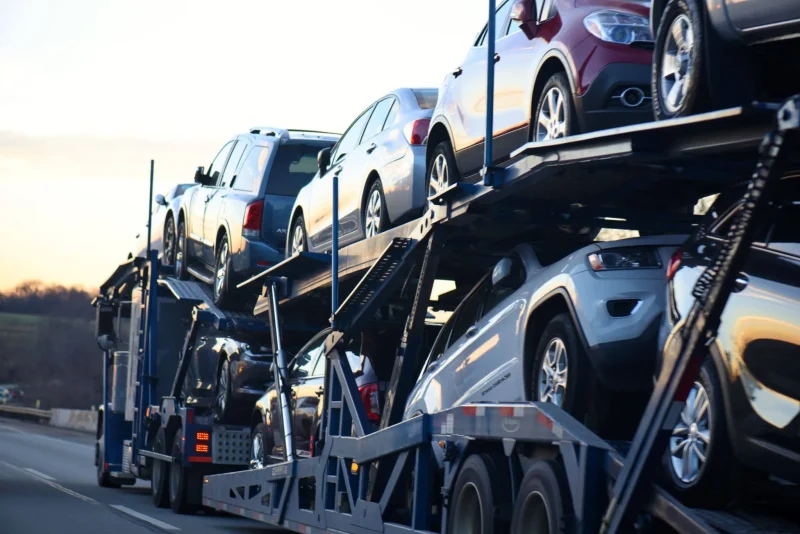
Dealerships use professional auto transport services for several types of inventory movement.
Auction Vehicle Pickups
After purchasing a vehicle at an auction, the dealership must confirm that payment has cleared and that the vehicle is released for pickup. The carrier may also need a gate pass, buyer number, release code, or other auction documentation before the vehicle can leave the facility.
Dealer-to-Dealer Inventory Transfers
Dealership groups frequently move vehicles between locations to balance inventory, fulfill customer requests, or place specific models in markets where they are more likely to sell.
Customer Vehicle Delivery
Online and out-of-state vehicle sales allow dealerships to serve buyers well beyond their immediate market. Professional dealership car shipping gives dealers a structured way to deliver purchased vehicles directly to customers.
Trade-In and Acquisition Transport
A dealership may need to retrieve a trade-in, transport a vehicle purchased from another dealer, or collect inventory acquired through a private seller or wholesale source.
Reconditioning and Service Transfers
Vehicles may need to move between dealership lots, body shops, mechanical facilities, detailing centers, storage locations, and other service providers.
New Model and Seasonal Inventory Distribution
Dealerships may need additional transportation capacity during new model releases, promotional events, seasonal demand changes, or major inventory redistributions.
Why Dealership Vehicle Shipping Requires Careful Planning

A personal vehicle shipment normally involves one vehicle, one pickup location, and one delivery location. Dealership transportation can involve several vehicles, different release dates, multiple destinations, and tighter operational deadlines.
Common dealership shipping challenges include:
- Coordinating several VINs within one order
- Confirming auction or seller release status
- Matching vehicle sizes with available trailer capacity
- Managing non-running or modified vehicles
- Scheduling pickups around dealership and auction hours
- Coordinating delivery with sales teams or customers
- Preventing inventory from sitting unavailable for longer than necessary
- Documenting every vehicle’s condition separately
- Adjusting plans when inventory or customer needs change
Accurate information at the beginning of the process helps the transport provider build a realistic route and select the correct equipment.
Choosing a Dealership Auto Transport Provider
The right transportation provider should understand dealership operations, not just individual car shipping.
Consider the following factors when evaluating a provider.
Dealership and Fleet Shipping Experience
Ask whether the company regularly coordinates dealer transfers, auction pickups, customer deliveries, and multi-vehicle shipments. These moves require more detailed scheduling and documentation than a typical personal vehicle shipment.
Licensing and Insurance Verification
Confirm that the broker or carrier is properly registered and authorized for interstate transportation. You should also review the carrier’s cargo insurance information and understand the applicable limits, exclusions, and claims process.
Car-Go provides access to an FMCSA license check so customers can verify transportation credentials before shipping.
Carrier Network and Route Coverage
A provider with access to carriers across multiple routes can offer greater flexibility when inventory must move between states or when shipment volume changes.
This can be especially useful for dealership groups that do not ship the same route every time.
Clear Pricing
A dealership transportation quote should clearly identify the vehicles, route, transport method, timing requirements, and any special handling needs.
Provide complete shipment details before accepting a quote. Missing information about vehicle size, modifications, operability, or location access can affect the final transportation plan.
Communication and Accountability
Dealership shipments may involve managers, auction staff, drivers, customers, and receiving locations. Choose a provider that establishes a clear point of contact and communicates schedule changes promptly.
Ability to Scale
A provider may need to coordinate one urgent vehicle this week and several inventory transfers the next. Make sure the company can adjust its transportation plan as your volume and routes change.
Auto Transport Broker vs. Carrier for Dealership Shipping
A carrier owns or operates the truck that physically transports the vehicles. A broker coordinates the shipment and matches it with a qualified carrier based on the route, equipment, timing, and vehicle requirements.
Working directly with a known carrier can make sense when the carrier regularly runs your route and has space that matches your schedule.
A broker may offer broader route coverage and scheduling flexibility, especially when a dealership ships to multiple states, uses different auctions, or needs access to several equipment types.
The most important factors are proper registration, honest communication, appropriate insurance, clear written terms, and accountability throughout the shipment.
Dealership Car Shipping Options
The right shipping method depends on the type of vehicle, its value, the route, the required delivery window, and the number of vehicles being moved.
Open Auto Transport
Open transport is the most common option for standard dealership inventory. Open carriers can transport several vehicles at once, which generally makes them the most practical choice for routine dealer transfers and auction pickups.
Vehicles are exposed to normal outdoor road conditions during transit, but open transport remains widely used for new and used dealership inventory.
Enclosed Auto Transport
Enclosed transport provides additional protection from weather, road debris, and outside exposure.
It may be appropriate for:
- Luxury vehicles
- Collector cars
- Exotic vehicles
- Restored vehicles
- Show vehicles
- Prototypes
- High-value inventory
Enclosed transportation normally costs more and may have more limited availability, so dealerships should schedule it early when possible.
Expedited or Dedicated Transport
Expedited transport may be considered when a vehicle must arrive for a customer deadline, sales event, product launch, or other time-sensitive requirement.
Faster service depends on carrier availability, route, equipment, and the level of scheduling flexibility required.
Specialized Vehicle Transport
Oversized, lifted, lowered, modified, inoperable, or unusually heavy vehicles may require specialized equipment.
Disclose modifications and operational problems before booking. Accurate dimensions, ground clearance, weight, and loading requirements help prevent delays or equipment mismatches.
How the Dealership Auto Transport Process Works
1. Gather the Shipment Information
Prepare the following information for each vehicle:
- Year, make, and model
- VIN
- Operational status
- Vehicle dimensions or modifications
- Pickup and delivery addresses
- Pickup and delivery contacts
- Auction or seller release information
- Available dates
- Required delivery deadline
- Preferred transport method
- Special loading or handling instructions
For multi-vehicle orders, use a complete VIN list rather than sending the vehicle information through several separate messages.
2. Build the Transportation Plan
The transport provider reviews the route, number of vehicles, equipment requirements, location access, and timing.
Vehicles traveling along the same route may be grouped when carrier capacity and scheduling allow. Shipments going to different destinations may require separate trucks or staggered delivery plans.
3. Confirm Release and Location Requirements
Before dispatching a carrier, confirm that every vehicle is available and authorized for pickup.
For auctions or third-party sellers, verify:
- Payment clearance
- Release status
- Gate pass or release number
- Facility hours
- Storage deadlines
- Pickup procedures
- Key location
- Contact information
A carrier arriving before a vehicle has been released may be unable to complete the pickup.
4. Prepare and Document the Vehicles
Each vehicle should be inspected and photographed before loading. Existing scratches, dents, wheel damage, cracked glass, and other visible conditions should be recorded.
The pickup inspection creates a reference that can be compared with the vehicle’s condition at delivery.
5. Complete Pickup and Loading
The carrier verifies the vehicle information, completes the condition report, and loads the vehicle using the appropriate procedures and equipment.
The dealership or pickup representative should review the condition information before signing the Bill of Lading.
6. Monitor the Shipment
Maintain communication with the transportation provider throughout transit. The receiving location should know the expected delivery window and be prepared to accept the vehicles.
Traffic, weather, mechanical issues, loading delays, and route changes can affect arrival times, so delivery plans should include reasonable flexibility.
7. Inspect the Vehicles at Delivery
Inspect every vehicle before signing the final delivery documentation.
Compare its condition with the pickup photos and Bill of Lading. Any new damage or discrepancy should be documented on the delivery paperwork and reported promptly.
Dealership Vehicle Preparation Checklist
Proper preparation reduces loading problems, delays, and disputes.
Before pickup:
- Clean the exterior enough for inspection. Dirt and debris can make existing damage difficult to identify.
- Photograph each vehicle. Take clear photos from every side and close-ups of existing damage.
- Remove personal and loose items. Clear unnecessary items from the interior, trunk, bed, and storage compartments.
- Remove or secure loose accessories. Secure removable spoilers, antennas, racks, covers, aftermarket parts, and other accessories.
- Check for leaks. Tell the transport provider about any fluid leaks or mechanical problems before the carrier arrives.
- Check the battery and tires. Vehicles should be able to start, steer, roll, and brake unless they were booked as inoperable.
- Disable alarms. Provide instructions for any security systems that cannot be fully disabled.
- Provide working keys. Confirm which keys, remotes, or access cards must travel with the vehicle.
- Follow the provider’s fuel requirements. Avoid sending the vehicle with more fuel than necessary for loading and unloading.
- Disclose modifications. Report oversized tires, lift kits, lowered suspension, roof accessories, added equipment, and other changes.
Scheduling Dealership Shipments and Reducing Downtime
Dealership inventory has value only when it is available for sale, service, rental, or customer delivery. Transportation planning should therefore consider both shipping cost and the operational cost of unavailable vehicles.
Schedule Early When Possible
More lead time gives the transport provider additional opportunities to secure the right carrier and coordinate an efficient route.
Early scheduling is especially important for:
- Multi-vehicle shipments
- Rural pickup or delivery locations
- Enclosed transport
- Oversized vehicles
- Fixed customer deadlines
- Seasonal demand periods
- Auction storage deadlines
Use Realistic Pickup and Delivery Windows
Exact timing may depend on traffic, weather, carrier capacity, loading schedules, and federal driving limitations.
Communicate any firm deadline before booking so the provider can determine whether the requested schedule is realistic.
Stagger Large Moves
When moving an operating fleet or a large inventory group, staggered pickups and deliveries can reduce disruption. This approach allows part of the inventory to remain available while other vehicles are in transit.
Designate One Main Contact
Assign one dealership employee to coordinate VIN lists, release information, schedule changes, and delivery updates. Centralized communication reduces conflicting instructions.
Confirm Delivery Access
Make sure the destination can safely accommodate the transport truck. Low branches, narrow entrances, restricted streets, parked vehicles, and limited turning space can prevent direct access.
When the truck cannot safely enter the property, the dealership and driver may need to select a nearby accessible meeting point.
What Affects Dealership Auto Transport Costs?
There is no universal per-vehicle rate because each shipment has different requirements.
The main pricing factors include:
Distance and Route
Longer distances generally cost more overall. However, carrier availability and route demand can also affect the rate. A shorter shipment to a difficult or low-volume route may not always cost less per mile.
Number of Vehicles
Shipping several vehicles on the same route may improve efficiency when they can fit on the same carrier and share similar pickup and delivery windows.
Multiple destinations, different release dates, or mixed vehicle sizes can require a more complex plan.
Vehicle Size and Weight
Large SUVs, trucks, vans, and modified vehicles occupy more trailer space and may reduce the number of vehicles a carrier can load.
Vehicle Condition
Inoperable vehicles may require winches or other loading equipment. The transport provider must know whether each vehicle can start, steer, roll, and brake.
Open or Enclosed Transport
Open transport is generally the more economical option. Enclosed transport provides added protection but normally carries a higher rate.
Pickup and Delivery Locations
Major transportation routes typically have more carrier activity than remote or difficult-to-access locations.
Timing and Flexibility
Expedited service, exact deadlines, last-minute orders, and narrow pickup windows can increase costs because fewer carriers may be able to meet the requirements.
Seasonal Demand
Carrier availability and pricing can change during high-demand relocation periods, severe weather, major auctions, holidays, and seasonal vehicle movements.
Insurance, Condition Reports, and Delivery Documentation
Before shipping dealership inventory, confirm what coverage applies while the vehicles are in the carrier’s possession.
Ask for:
- The carrier’s cargo insurance information
- Applicable coverage limits
- Relevant exclusions
- Deductible information
- The process for reporting damage
- Required supporting documents
Insurance does not replace proper documentation. Pre-shipment photos, pickup condition reports, delivery inspections, and the Bill of Lading provide important records if a condition issue must be reviewed.
At delivery, do not sign the paperwork without inspecting the vehicle. Note any concern directly on the Bill of Lading, take photographs, and contact the transportation provider promptly.
Best Practices for Recurring Dealership Shipping
Dealerships that transport vehicles regularly can improve efficiency by creating a repeatable process.
Standardize Shipment Information
Use one form or spreadsheet for every shipment. Include VINs, vehicle details, operational status, locations, contacts, release information, and deadlines.
Track Common Shipping Lanes
Maintain a record of routes used frequently, such as auction-to-dealership moves or transfers between dealership locations. Regular lane information can make future planning faster.
Consolidate Compatible Shipments
When practical, group vehicles with similar routes and timing. This can improve loading efficiency and simplify dealership coordination.
Maintain a Contingency Plan
Weather, mechanical problems, auction delays, and inventory changes can disrupt even a well-planned shipment.
Discuss how schedule changes, replacement carriers, or vehicle substitutions will be handled before they become urgent.
Review Performance
Track communication, pickup reliability, delivery condition, documentation quality, and issue resolution. These measures are often more useful than comparing price alone.
Build a Long-Term Transportation Relationship
A recurring transportation partner can become familiar with your locations, preferred communication process, common routes, and vehicle requirements.
This can reduce repeated setup work and create more consistent expectations across future shipments.
Common Dealership Shipping Mistakes to Avoid
Avoid these common problems when arranging dealership vehicle transport:
- Selecting a provider based only on the lowest quote
- Providing incomplete or incorrect VIN information
- Failing to disclose that a vehicle is inoperable
- Omitting lift kits, oversized tires, or other modifications
- Scheduling before an auction vehicle is released
- Waiting until the final day before a storage fee or customer deadline
- Failing to photograph the vehicle before pickup
- Leaving personal items or loose equipment inside
- Using several dealership contacts who provide conflicting instructions
- Assuming the transport truck can access every dealership lot
- Signing delivery paperwork before inspecting the vehicle
- Treating estimated delivery windows as guaranteed arrival times
A complete shipment record and clear communication can prevent most avoidable delays.
Dealership and Fleet Vehicle Shipping With Car-Go Auto Transport
Car-Go Auto Transport coordinates vehicle shipping for dealerships, fleet managers, manufacturers, corporate clients, and other automotive organizations.
Our team can help plan:
- Auction vehicle pickups
- Dealer-to-dealer transfers
- Customer vehicle deliveries
- Multi-vehicle shipments
- Corporate fleet relocations
- Rental and leasing fleet redistribution
- Open and enclosed transport
- Oversized or modified vehicle shipping
- Time-sensitive transportation projects
- Recurring dealership shipping routes
For broader business transportation needs, learn more about our corporate auto shipping services.
Frequently Asked Questions
How do dealerships transport cars from one state to another?
Dealerships typically use professional auto transport carriers, either directly or through an auto transport broker. Dealerships commonly use open multi-car carriers for standard inventory, while they may choose enclosed carriers for luxury, collector, or high-value vehicles.
Can a dealership ship multiple vehicles at once?
Yes. Dealerships can transport multiple vehicles together when the route, vehicle sizes, pickup dates, delivery requirements, and carrier capacity align. Shipments with several destinations or different release dates may require more than one carrier.
How far in advance should a dealership schedule transportation?
Dealerships should schedule as early as possible, particularly for multi-vehicle orders, enclosed transport, rural routes, oversized vehicles, and shipments with firm deadlines. Expedited service may be available, but it depends on the route and carrier capacity.
What information is required to ship a dealership vehicle?
The transport provider will generally need the year, make, model, VIN, operational status, pickup and delivery addresses, contact information, available dates, release details, and any special handling requirements.
Can a dealership ship an inoperable vehicle?
Yes, but the dealership must disclose the vehicle’s condition before booking. The provider needs to know whether it can start, steer, roll, and brake so it can arrange the right loading equipment.
Is open or enclosed transport better for dealership inventory?
Open transport is usually appropriate for standard new and used inventory. Enclosed transport may be better for luxury, collector, exotic, restored, prototype, or high-value vehicles that need extra protection.
What determines the cost of dealership vehicle shipping?
Pricing depends on distance, route, number of vehicles, vehicle size, operational condition, transport method, location access, seasonal demand, and scheduling flexibility.
What documents may be needed for an auction pickup?
The carrier may need a gate pass, buyer number, release number, stock number, VIN, pickup authorization, and facility contact information. Requirements vary by auction and seller.
What should a dealership do if damage is found at delivery?
Inspect the vehicle before signing the final Bill of Lading. Document the concern on the delivery paperwork, take clear photographs, keep copies of the pickup and delivery records, and contact the transportation provider promptly.
Keep Your Dealership Inventory Moving
Car-Go Auto Transport helps dealerships coordinate single-vehicle and multi-vehicle shipments across the country. Contact our team for a transparent quote based on your vehicles, route, timing, and transportation requirements.
About the Author: Malachi Flesher
