
Moving for military service comes with its own set of logistics puzzles, and when the government won’t cover your vehicle transport, those puzzles get even more complex. For service members facing a Permanent Change of Station within the continental United States without POV (Privately Owned Vehicle) entitlements, the reality is tight reporting dates, long distances to cover, family travel to coordinate, and costs coming straight out of pocket.
The good news? Private auto transport companies specialize in exactly this kind of time-sensitive, long-distance move. Service members deal with enough stress during PCS season without worrying whether their vehicle will arrive on time or what surprises might show up on the final bill. This guide breaks down the shipping options, timing strategies, and money-saving approaches that make non-entitled POV moves manageable. Getting ahead of the planning curve means comparing carriers and locking in rates before the rush hits.
Understanding Non-Gov POV Moves During PCS
When orders come through without vehicle shipping entitlements, service members shoulder the full responsibility and cost of getting their car or truck to the new duty station. The term “non-entitled” simply means the military won’t arrange or fund the transport through its contracted moving services.
Several scenarios trigger this situation:
- Short-notice reassignments that fall outside the standard PCS benefit window
- Certain assignment types, particularly training rotations or temporary duty extensions that convert to permanent moves
- Families owning multiple vehicles, since military benefits typically cover only one POV per move
The financial impact ripples through the entire relocation budget. Service members pay market rates for auto transport. Reimbursement possibilities exist but remain limited and vary by branch and specific orders. Some service members combine their Dislocation Allowance or mileage reimbursements with shipping costs, though this requires careful calculation since those allowances need to stretch across multiple moving expenses. Accurate budgeting early in the process prevents financial surprises when orders are already demanding enough attention.
Best Long-Distance Vehicle Shipping Options for Military PCS
Open Carrier Transport
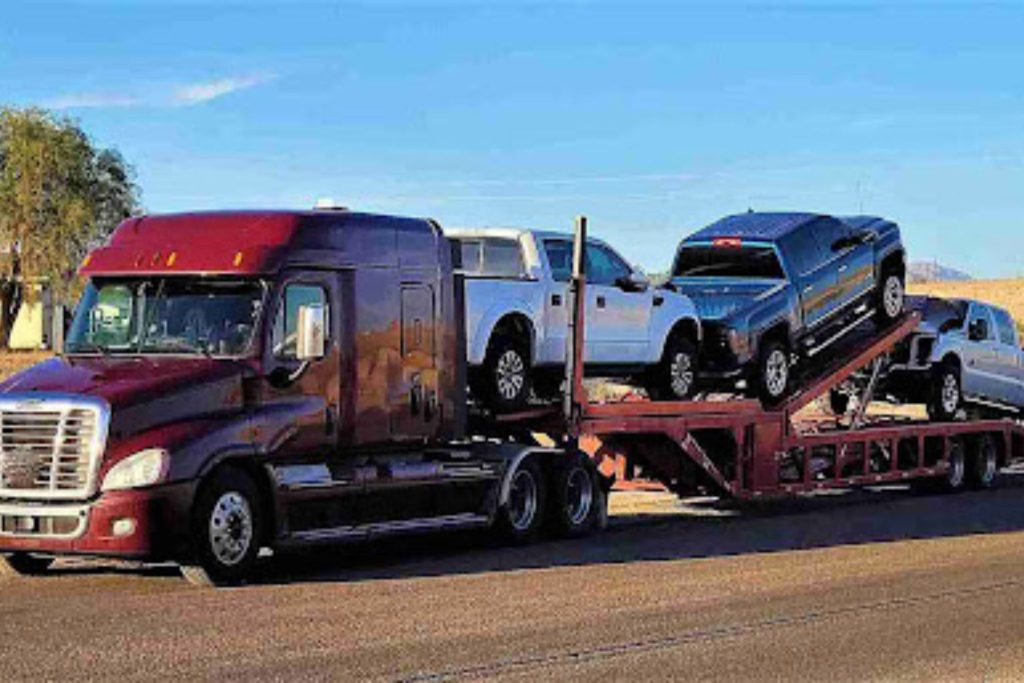
Open carrier transport dominates the military PCS market for good reason. This method loads vehicles onto multi-car haulers, the same kind spotted regularly on highways across America. Cost runs significantly lower than other options, and availability stays high year-round. Vehicles ride exposed to weather and road conditions, but for standard cars and trucks in normal condition, this presents minimal risk during a professional transport.
Enclosed Carrier Transport
Enclosed carrier transport wraps vehicles in a protective trailer, shielding them from weather, road debris, and prying eyes. Service members with high-value vehicles, classic cars, motorcycles, or modified trucks often choose this route. The trade-off comes in higher pricing and reduced availability in certain regions and peak seasons.
Terminal vs. Door-to-Door Delivery
Terminal delivery means dropping off and picking up the vehicle at company facilities, usually near major metro areas. This cuts costs but adds the inconvenience of arranging transportation to and from terminals. Door-to-door service brings the carrier directly to current and new addresses, or as close as large trucks can safely access. For military families juggling household goods deliveries, pet transport, and temporary lodging, door-to-door service often justifies the extra expense.
Expedited Shipping
When report dates loom close, expedited shipping moves vehicles to the front of the scheduling queue. Companies prioritize the load, sometimes securing dedicated transport rather than waiting to fill a multi-car carrier. For service members facing orders with minimal lead time, arriving at the new duty station without a vehicle creates bigger headaches and costs.
Handling PCS Timing Requirements
How Early to Book
Book vehicle transport well before the planned pick-up date. Peak PCS season brings intense competition for carrier capacity when military families flood the market alongside college students and snowbirds. Last-minute booking forces service members to accept whatever carrier has availability, often at premium rates and inconvenient schedules.
Syncing With Military Moving Schedules
Coordinate vehicle pick-up with household goods delivery to prevent awkward gaps. Car-Go Auto Transport works directly with service members to align shipping timelines with military moving schedules, something major national brokers don’t always prioritize.
Seasonal Considerations
Summer months create the highest demand. Service members with some flexibility in their report window save money by scheduling transport during off-peak periods like fall or winter.
Building in Flexibility
Delays happen despite everyone’s best planning. Weather shuts down routes, mechanical issues sideline carriers, and traffic accidents close highways. A flexible pick-up window works better than demanding a specific date. Maintaining regular contact with the transport company provides early warning of potential delays. Have registration, insurance documents, and a clear vehicle condition report prepared before the carrier arrives.
Short-Term Storage Options for Your POV
When Storage Makes Sense
The military moving timeline rarely aligns perfectly. Orders specify a report date, but housing approval letters arrive late, temporary lodging on base fills up, or household goods sit in a warehouse waiting for the next available delivery slot. During these gaps, vehicle storage becomes necessary.
Storage Options
- Transport company facilities: Convenience of keeping everything under one contract
- Secure commercial storage facilities: Often located near military installations and offer both outdoor and indoor options
- Indoor vs. outdoor: Indoor storage protects against weather damage and reduces theft risk; outdoor lots work fine for standard vehicles during short stays
What to Look For
Security should drive the storage decision. Look for facilities with:
- Perimeter fencing and surveillance cameras
- Regular patrols and controlled access gates
- Clear insurance coverage during storage periods
- Flexible access rules that match your schedule
Most auto transport policies cover vehicles only while actively in transit, not during storage. Verify whether the storage facility carries insurance and whether personal auto policies extend to commercial storage situations.
Base Access Rules for Vehicle Pick-Up & Delivery
Why Carriers Can’t Access Bases
Military installations maintain tight security controls, and commercial auto carriers rarely make the approved visitor list. Large car haulers can’t simply roll up to base housing or the barracks. Most installations prohibit unregistered commercial vehicles entirely, and even when exceptions exist, escort requirements and paperwork delays make on-base pick-up impractical.
Alternative Handoff Points
Planning an alternative meeting spot saves everyone from frustration:
- Visitor center parking lots just outside base gates
- Designated commercial vehicle access points
- Off-base locations near the installation like shopping centers or gas stations
Coordinating Access
Call the base transportation office well before the scheduled pick-up or delivery date. Ask about policies on commercial auto transport and what forms or advance notice the transport company needs to provide. Have military ID, vehicle registration, insurance cards, and orders readily available.
Military Discount Eligibility & How to Maximize Savings
Available Discounts
Auto transport companies compete aggressively for military business. Many offer discounts to active-duty service members, with PCS-specific discounts sometimes stacking on top of general military rates. Some carriers extend similar discounts to veterans and first responders.
Verifying Eligibility
Mention active-duty status up front and have orders available. Companies may request copies of PCS orders or military ID during the quoting process.
Stacking Savings
Combine discounts with smart booking choices:
- Early reservations before peak season demand drives prices up
- Multi-vehicle discounts for families shipping more than one car
- Terminal drop-off over door-to-door service
- Flexible pick-up windows
- Standard shipping instead of expedited service
What to Look for in a Reliable Auto Transport Company

Licensing and Insurance
Every auto transport company must hold a USDOT number issued by the Federal Motor Carrier Safety Administration and maintain active motor carrier authority. Verify these credentials through the FMCSA website before handing over keys and payment. Ask for proof of insurance and confirm the coverage amount matches or exceeds the vehicle’s value.
Military PCS Experience
Companies familiar with service member needs understand report date pressures, base access complications, and the importance of reliable communication. Check reviews specifically mentioning military moves or PCS situations.
Quote Types
Binding quotes lock in the price based on accurate vehicle information provided during booking. Non-binding estimates can increase at pick-up if the carrier claims the vehicle is larger, heavier, or modified beyond the initial description. Get binding quotes whenever possible.
Communication and Tracking
Customer service responsiveness during the quoting and booking phase usually predicts how well the company will communicate during the actual transport. Real-time tracking through GPS or regular status updates provides peace of mind during multi-day transports.
Transparent Policies
Understand exactly what’s included in the quote, what costs extra, and what the cancellation policy allows. Some companies charge cancellation fees if service members need to change dates due to military order modifications, while others offer flexibility, recognizing the unpredictable nature of military life.
Moving Forward With Your PCS Vehicle Transport
Private vehicle shipping for military PCS moves without government entitlements requires more planning and budgeting than standard covered moves, but it doesn’t need to become another source of stress during an already demanding time. Service members who book transport early gain better rates, wider carrier selection, and reduced anxiety about meeting report dates.
Comparing carriers based on licensing, insurance, military experience, and transparent pricing identifies the reliable companies worth trusting with your vehicle and your tight timeline. Taking advantage of military discounts and flexible service options keeps costs manageable when paying out of pocket. The right carrier handles logistics professionally while keeping you informed, so your attention stays focused on the hundred other details every PCS demands.
Frequently Asked Questions
Ready to Ship Your Car?
Every electric and hybrid vehicle presents unique transport considerations based on battery size, ground clearance, and destination requirements. Whether you’re moving a brand-new luxury EV or a practical daily-driver hybrid, getting accurate pricing starts with understanding your specific needs.
Reach out to us today for a personalized quote that accounts for your vehicle type, route, timeline, and preferred transport method. Our team can walk you through the options and help you choose the best approach for your situation.
About the Author: Malachi Flesher
