
Electric vehicles are reshaping how cars move across the country. Auto transport companies are adjusting their equipment, training, routing, and safety protocols to handle the weight, battery requirements, and handling needs that come with EVs.
For owners shipping an electric car, this shift matters because the carrier picking up your vehicle today operates under different conditions than one transporting a gas-powered sedan a decade ago.
The industry is moving toward specialized handling, smarter logistics, and infrastructure designed around electrified fleets. The companies adapting early are setting the standard for what reliable EV shipping looks like.
Why Electric Vehicles Are Changing Auto Transport
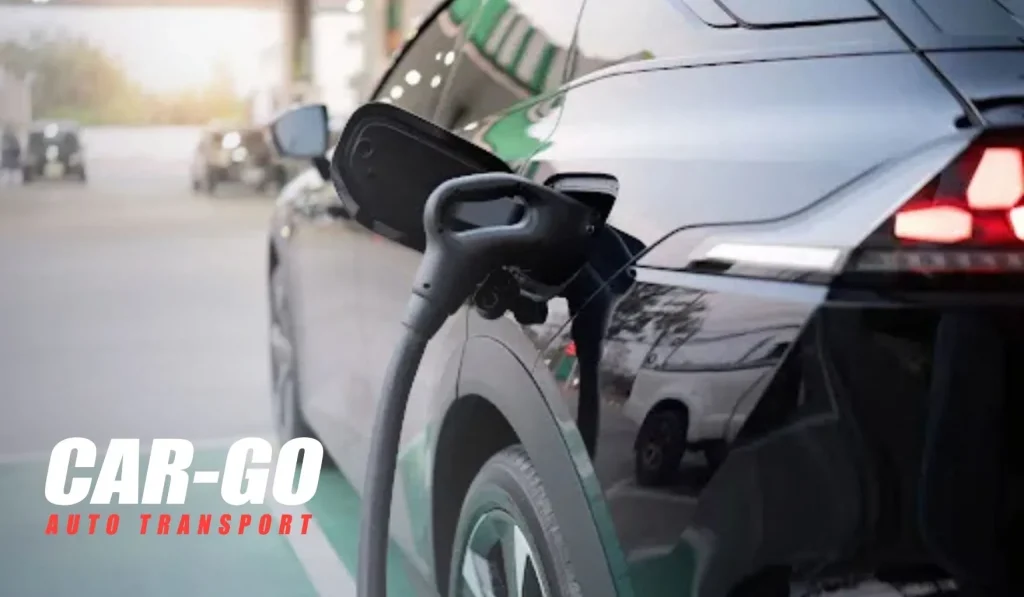
EVs are not just gas cars with different engines. They are heavier, built differently, and powered by large lithium-ion battery systems that require more careful handling during transport. For decades, the auto transport industry was built around traditional gas-powered vehicles, and most carrier operations followed the same standard process.
As electric vehicles become more common, carriers are adjusting how they load, secure, and transport vehicles. Weight distribution, trailer capacity, tie-down points, and route planning can all change when shipping EVs. The shift is affecting every part of the transport process, from dispatching and loading to delivery and safety procedures.
With more EVs appearing in dealerships, fleets, and households across the country, the auto transport industry is evolving to keep up with changing vehicle technology.
The Biggest Challenges in EV Shipping
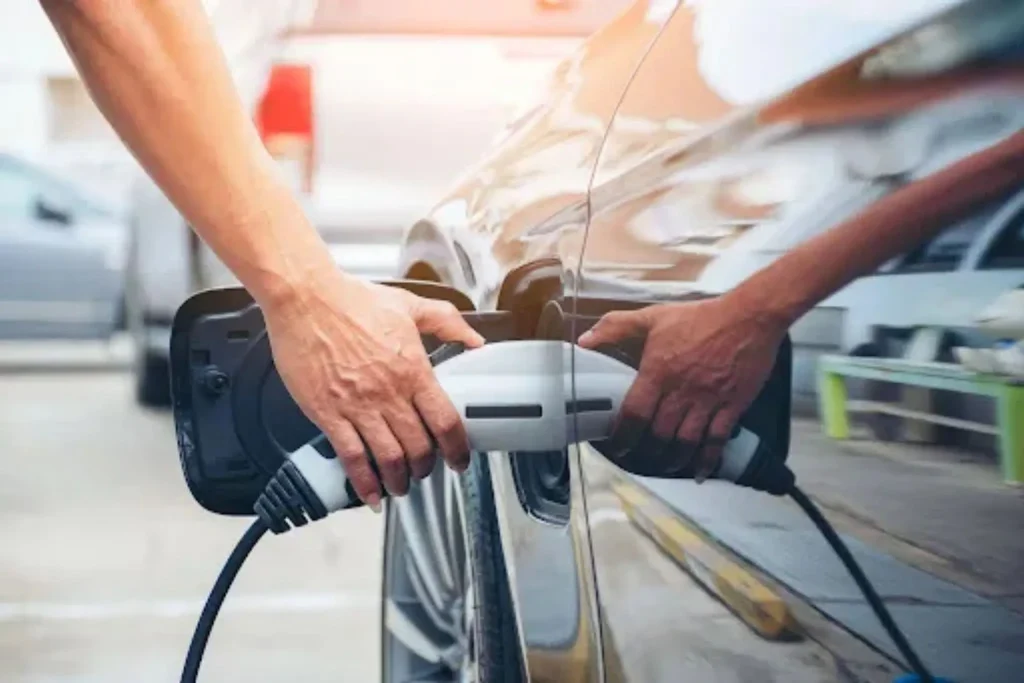
Shipping an EV introduces variables that traditional vehicle transport rarely had to consider. Carriers and brokers are navigating a learning curve, and owners benefit from understanding what makes these vehicles different.
Key challenges include:
- Weight distribution. EVs often weigh significantly more than comparable gas vehicles due to their battery packs. This affects how many vehicles a carrier can legally load and where each one sits on the trailer.
- Battery state of charge. Most carriers prefer EVs to arrive with a partial charge, low enough to reduce thermal risk but high enough to allow loading and unloading without complications.
- Towing limitations. Many EVs cannot be flat-towed or dolly-towed without risking damage to the drivetrain. This influences how carriers plan for breakdowns or unexpected stops during transit.
- Thermal sensitivity. Extreme heat or cold can affect battery performance during transport, which matters on long-haul routes that pass through varied climates.
- Tie-down requirements. Securing an EV requires knowledge of approved attachment points, since incorrect placement can damage underbody components.
These factors do not make EV shipping unsafe. They simply require carriers who understand the differences and plan accordingly.
How Carriers Are Adapting to Electric Vehicle Logistics
The carriers handling EVs well are the ones treating electric transport as its own discipline rather than a minor adjustment. That adaptation shows up in several ways.
Driver training has expanded to include EV-specific protocols, such as identifying approved tie-down locations and recognizing warning signs of battery issues. Equipment is being upgraded to handle heavier vehicles without compromising safety or compliance with weight regulations. Dispatch teams are factoring in route conditions that matter more for EVs, including weather extremes and the location of charging infrastructure for any required mid-route handling.
Insurance considerations have also shifted. Battery damage claims can be substantially more expensive than typical body repairs, and reputable carriers are adjusting their coverage and inspection processes to reflect that reality.
The industry is still uneven. Some carriers are fully prepared for EVs. Others are catching up. Working with a company that vets carriers based on EV readiness, not just availability, makes a meaningful difference in shipping outcomes.
The Industry Trends Reshaping EV Auto Transport
Several broader shifts are influencing how vehicle shipping will operate in the coming years. These are not short-term predictions. They are structural changes already underway that will continue to shape the industry well beyond the next product cycle.
EV Adoption Is Increasing Shipping Complexity
Growing EV ownership is not just adding more vehicles to the road. It is changing the math behind how shipments are planned and priced. Routing decisions, carrier capacity, weight distribution, insurance models, and infrastructure planning all carry more variables now. Logistics teams are managing a more layered operation than the one that existed when nearly every vehicle on a trailer ran on gasoline.
For owners, this means transit times, pricing structures, and carrier availability may behave differently than they did in previous years. The companies that handle this complexity well are the ones investing in systems and people who understand the new operational reality.
Charging Infrastructure Is Becoming Part of Transport Logistics
Charging access is no longer just a consumer concern. It is becoming part of how transport companies plan their operations. Future carrier hubs may function partially as charging depots, particularly as electric trucking gains ground.
Route planning increasingly accounts for charging availability along long-haul corridors. This matters for any EV that needs to be moved, started, or repositioned during transit, and it influences how carriers structure their networks over time.
AI and Real-Time Visibility Are Becoming Standard
Customers expect to know where their vehicle is, and they expect that information without making a phone call. Real-time tracking, digital status updates, and automated communication are quickly becoming baseline features rather than premium offerings.
On the operational side, AI-assisted routing and dispatching are helping carriers reduce empty miles, improve scheduling accuracy, and predict potential delays before they happen. Predictive logistics tools are creating efficiency gains that benefit both carriers and the customers waiting on their vehicles.
Sustainability Pressures Are Changing Carrier Operations
Transport companies are facing growing pressure to reduce emissions, both from regulators and from enterprise customers with their own sustainability commitments. Hybrid and electric carrier fleets are gradually entering service, and emissions tracking is becoming part of standard logistics reporting.
This pressure is reshaping vendor decisions across the industry. Manufacturers and dealerships increasingly evaluate transport partners on environmental performance, not just price and reliability. Individual consumers are starting to ask similar questions.
Specialized EV Knowledge Is Becoming a Competitive Advantage
EV shipping is no longer identical to gas vehicle shipping, and the carriers that recognize this are pulling ahead. Specialized knowledge now includes:
- Lithium battery safety and emergency response
- Charging protocols and state-of-charge management for transit
- Weight considerations and trailer load planning
- EV-specific tie-down and handling procedures
- Familiarity with manufacturer-specific transport guidelines
Carriers and brokers that build this expertise into their operations are positioning themselves for the long term. Those treating EVs as an afterthought are likely to fall behind as electric vehicles become a larger share of every shipment mix.
What EV Owners Should Look for in an Auto Transport Company
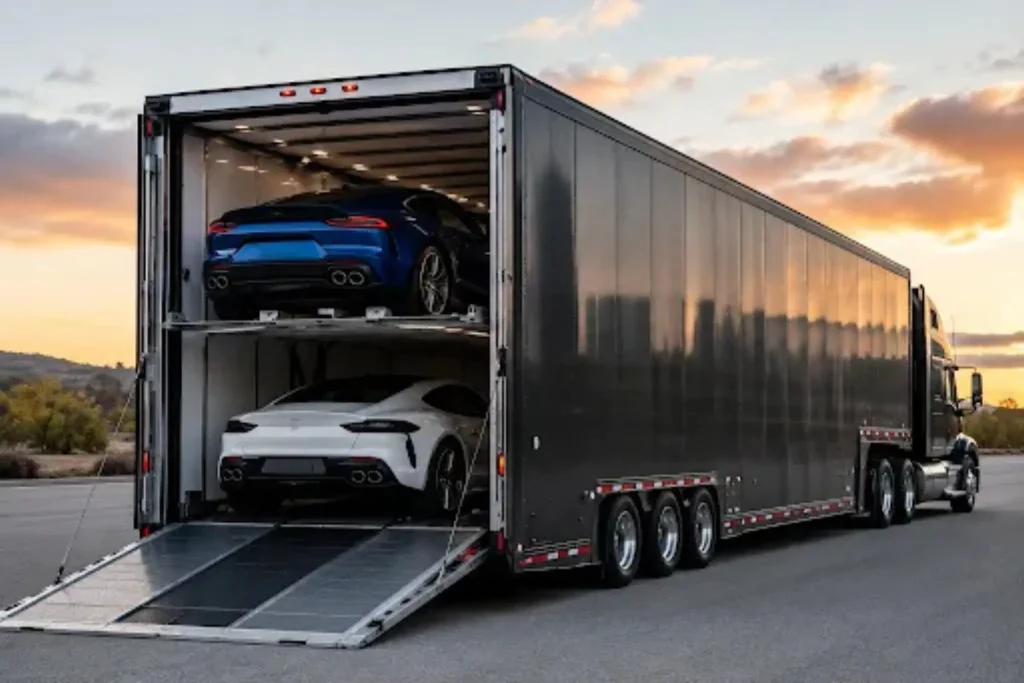
Choosing a transport partner for an electric vehicle requires a few extra questions beyond the standard checklist. The right company will answer these clearly and without hesitation.
Look for:
- EV-specific carrier experience. Ask how often the carrier handles electric vehicles and what protocols they follow.
- Proper insurance coverage. Confirm that coverage limits reflect the higher repair costs associated with EV components, including the battery pack.
- Clear loading instructions. A prepared carrier will give specific guidance on state of charge, accessory settings, and access requirements before pickup.
- Transparent communication. Updates should come through your preferred channel without requiring you to chase down information.
- Verified equipment. Trailers and tie-downs should match the weight and structure of the vehicle being shipped.
Car-Go Auto Transport works with carriers vetted for these standards. That matters as more owners ship electric vehicles for relocations, online purchases, and seasonal moves.
The Future of Car Shipping Will Be Built Around EV Logistics
The vehicle transport industry of the future will not look like the one that existed before electrification. It will be shaped by smarter routing, specialized handling, integrated charging infrastructure, and carriers trained for the realities of moving electric vehicles at scale.
Owners moving an EV today are already participating in that shift. The carriers and brokers paying attention to where the industry is headed are the ones building the systems that will define reliable auto transport for years to come.
Frequently Asked Questions
Ship Your Electric Vehicle With Car-Go Auto Transport
At Car-Go Auto Transport, we understand that shipping an electric vehicle requires more than just a trailer and a driver. We connect EV owners with vetted carriers who know how to handle battery systems, follow proper loading procedures, and communicate clearly from pickup to delivery.
Whether you are relocating, purchasing out of state, or moving your vehicle for the season, we will walk you through your options and make sure you are never left wondering what is happening with your car.
Ready to ship your EV? Get a free quote from Car-Go Auto Transport today.
About the Author: Malachi Flesher
