Government agencies at the federal, state, and local levels routinely need to move vehicles — patrol cars, utility trucks, administrative fleets, emergency response units, and heavy specialty equipment. The process they use to hire transport providers is governed by strict procurement rules that differ significantly from how private companies book shipping services. Understanding how that procurement process works is essential for both vendors looking to win public-sector contracts and fleet managers responsible for keeping agency operations running.
This guide breaks down why agencies need vehicle transport services, how they purchase them, what they look for in providers, and how the entire procurement cycle unfolds from need identification to contract award.
Why Government Agencies Need Vehicle Transport Services
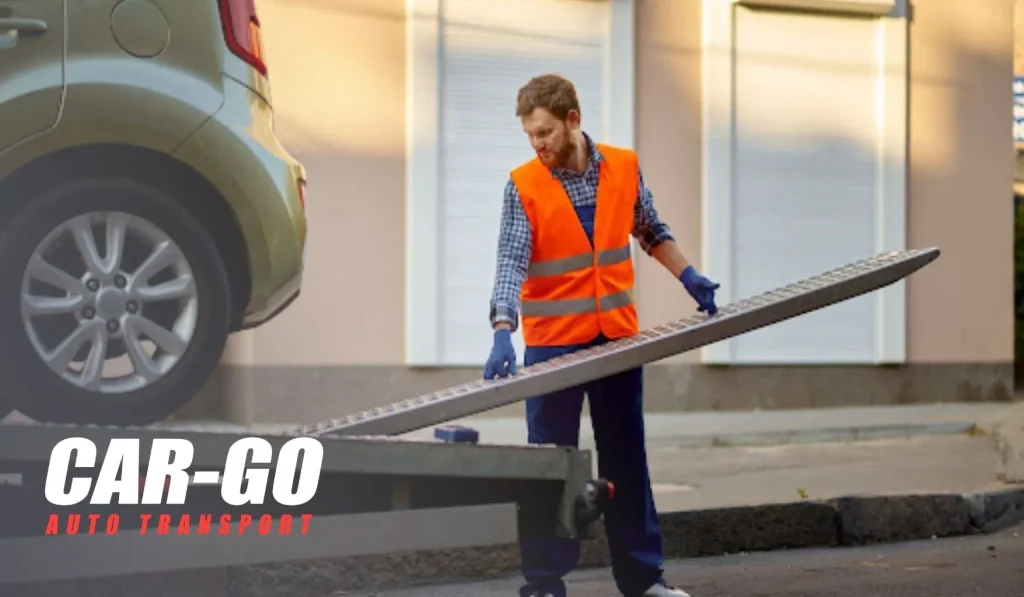
Public agencies manage some of the largest and most diverse vehicle fleets in the country. From local municipalities running a handful of service trucks to federal departments overseeing thousands of vehicles across multiple states, the transportation logistics requirements are ongoing and varied.
Fleet Relocations
When agencies consolidate facilities, open new offices, or restructure operations, entire vehicle fleets may need to move between locations. The same coordination challenges that apply to vehicle shipping for employee relocations apply here: compressed timelines, multi-vehicle scheduling, and the expectation of zero operational disruption. This can involve dozens of vehicles relocated on a tight schedule, requiring coordinated transport across multiple states.
New Vehicle Deliveries
Fleet acquisitions trigger immediate transport needs. When agencies procure vehicles through government purchasing programs, those vehicles often need to move from manufacturer facilities or dealerships to agency locations nationwide. Transport companies that can handle high-volume manufacturer-to-agency deliveries become critical logistics partners.
Emergency and Disaster Response
Natural disasters and emergency declarations frequently require the rapid deployment of specialized vehicles, such as search-and-rescue equipment, mobile command units, and utility response vehicles, to affected areas on short notice. Providers capable of emergency vehicle repositioning on compressed timelines carry significant value for agencies managing crisis logistics.
Surplus Vehicle Transfers
Government agencies regularly redistribute surplus vehicles to other agencies or route them through surplus programs and public auctions. Federal surplus programs, in particular, generate substantial transport demand as excess vehicles are transferred to new owners or to disposal locations.
Understanding Government Procurement Requirements
Public-sector purchasing is not informal. Every dollar an agency spends is subject to oversight, and vehicle transport contracts are no exception. Procurement rules exist to ensure fair competition, prevent waste, and maintain accountability to taxpayers.
Federal Procurement Standards
Federal agencies follow the Federal Acquisition Regulation (FAR), a comprehensive rulebook governing how the government buys goods and services. The FAR establishes competition requirements, contract documentation standards, and vendor eligibility rules that transport companies must meet to participate in federal contracts. Compliance with FAR is non-negotiable for any provider seeking federal work.
State and Local Procurement Rules
State and local agencies operate under their own procurement regulations, which vary considerably. Most require competitive bidding above certain dollar thresholds. Smaller purchases may qualify for simplified procedures, but any contract of significant size will trigger a formal solicitation process with defined evaluation criteria and public award announcements.
Transparency and Public Accountability
Every material purchasing decision a government agency makes is documented and subject to audit. Evaluation criteria are established before solicitations are released, scoring is applied consistently, and contract awards must be justifiable based on the published requirements. This level of documentation creates a traceable record that vendors and oversight bodies can review.
Government procurement consistently prioritizes five factors when selecting transport providers:
- Cost and pricing transparency
- Demonstrated reliability and operational capacity
- Regulatory compliance and licensing
- Safety record and cargo protection practices
- Vendor qualifications and past performance
Common Ways Government Agencies Purchase Vehicle Transport Services

Agencies use several distinct purchasing mechanisms depending on the contract size, the urgency of the need, and the available procurement infrastructure. Understanding which method an agency is using tells vendors a great deal about what the evaluation process will look like.
Competitive Bids and Requests for Proposals (RFPs)
RFPs are used for complex or large-scale transportation requirements where price alone does not determine the winner. Agencies issue a formal solicitation, receive written proposals from interested vendors, and score them against published criteria covering technical capability, past performance, capacity, and pricing. Evaluation committees review submissions and make award recommendations based on the best overall value.
Invitation for Bid (IFB) Contracts
IFBs are used when the requirements are clearly defined, and price is the primary selection factor. The agency awards the contract to the lowest responsive bidder who meets all stated requirements. Transport companies that can consistently offer competitive pricing and full compliance with specifications do well under this model.
Request for Quotes (RFQs)
For smaller transportation projects or routine vehicle moves that fall below formal bidding thresholds, agencies often use simplified RFQ procedures. Vendors submit price quotes, and the agency selects a provider without the full evaluation committee process. RFQs move faster and require less documentation, making them useful for time-sensitive needs.
Cooperative Purchasing Agreements
Many agencies take advantage of pre-established cooperative purchasing contracts managed by state purchasing offices or multi-agency procurement cooperatives. These programs allow agencies to access pre-vetted vendors and pre-negotiated pricing without running a new solicitation from scratch. Providers who earn placement on cooperative contract vehicles gain access to a wide pool of agency buyers.
How Federal Agencies Procure Vehicle Transportation Services
Federal agencies operate within a structured procurement ecosystem that offers both challenges and opportunities for transport companies. The scale and formality of federal procurement are significant, but the volume of transportation needs is substantial as well.
The Role of GSA
The U.S. General Services Administration plays a central role in federal procurement. GSA provides agencies with purchasing programs and contract vehicles designed to reduce procurement time and costs. Rather than issuing a separate solicitation each time a transportation need arises, agencies can leverage existing GSA-administered contracts to quickly engage qualified vendors. GSA also manages the federal government’s own fleet, making it a direct customer for vehicle transport services in some circumstances.
Government Contract Vehicles
Federal procurement relies heavily on contract vehicles that pre-authorize purchases within defined scopes and pricing structures. The most common types relevant to vehicle transport include:
- Multiple Award Schedules (MAS): GSA-managed schedules where approved vendors offer services at pre-negotiated prices. Agencies can order directly from MAS vendors without a new competition.
- Blanket Purchase Agreements (BPAs): Agreements established against existing contracts that allow agencies to streamline repeat purchases from a single vendor or a small group of vendors.
- Indefinite Delivery/Indefinite Quantity (IDIQ) contracts: Contracts that establish a ceiling value and allow agencies to place task orders for services as needs arise, without defining exact quantities upfront.
- Government-wide Acquisition Contracts (GWACs): Multi-agency contracts that extend purchasing access to a broad range of federal buyers.
These contract vehicles dramatically reduce procurement timelines. An agency using an existing IDIQ or MAS schedule can engage a transport provider in days rather than the weeks or months required by a new full solicitation.
What Government Agencies Look for in Vehicle Transport Providers
Agencies evaluating transport vendors apply consistent criteria that reflect both regulatory requirements and practical operational concerns. Meeting baseline requirements is the floor, not the ceiling.
Licensing and Regulatory Compliance
Providers must hold active FMCSA registration and valid operating authority. Agencies verify USDOT compliance as a condition of eligibility. Any lapse in licensing can disqualify a vendor from consideration, regardless of their pricing or experience. Staying current on all federal and state regulatory requirements is a baseline expectation in this market.
Insurance Coverage
Government contracts typically require higher insurance thresholds than standard commercial transport work. Agencies specify minimum cargo insurance and liability coverage levels in their solicitations, and providers must submit certificates of insurance demonstrating compliance. Inadequate coverage is an automatic disqualifier in most procurement processes.
Security and Chain of Custody
For sensitive vehicles like law enforcement units, secure government vehicles, or specialty equipment agencies that require verifiable tracking, documented handoff procedures, and secure transport protocols. The ability to demonstrate a clear chain of custody from pickup to delivery reduces risk for the agency and builds confidence in the provider’s operational discipline.
Proven Performance History
Past performance is a formal evaluation criterion in most government solicitations. Agencies review references, prior contract performance ratings, and documented case studies. Transport companies that have successfully executed government or large commercial contracts can point to verifiable performance records. Those entering the public-sector market without established references face a significant competitive disadvantage.
Nationwide Coverage
Agencies with operations across multiple states need providers who can execute transport in any of those markets. A provider limited to regional service cannot serve the full scope of many government contracts. Nationwide operational reach — or access to a verified carrier network through a licensed broker is a practical requirement for most federal and large state contracts. Corporate fleet transport services built around a nationwide carrier network are naturally positioned to meet this requirement.
The Typical Government Vehicle Transport Procurement Process
While each agency follows its own procedures, the general arc of a government vehicle transport procurement follows a predictable sequence. Vendors who understand each stage can prepare more competitive responses and set accurate expectations for award timelines.
Step 1: Agency Identifies Transportation Need
The process begins when an agency fleet manager or procurement officer identifies a vehicle transport requirement. This could be a scheduled fleet relocation, an upcoming vehicle acquisition, or an emergency response need. The scope and urgency at this stage determine which procurement method to use.
Step 2: Procurement Team Develops Requirements
Agency staff translates the operational need into formal procurement requirements. This includes defining the number and types of vehicles, origin and destination locations, required timelines, insurance minimums, compliance requirements, and evaluation criteria. Clear requirements at this stage produce better vendor responses and cleaner evaluations.
Step 3: Solicitation Is Released
The formal solicitation document, whether an RFP, IFB, or RFQ, is published on procurement portals such as SAM.gov for federal solicitations or state procurement websites for state-level work. Vendors who have registered in the relevant systems receive notifications of new opportunities that match their service categories.
Step 4: Vendors Submit Proposals
Vendors prepare and submit responses by the stated deadline. For RFPs, this means a full technical and pricing proposal. For IFBs, it means a price submission with compliance documentation. Incomplete submissions or late responses are typically rejected without evaluation.
Step 5: Agency Evaluates Responses
The evaluation committee scores submissions against the published criteria. For RFPs, this typically involves both technical scoring and price evaluation. Common factors include:
- Pricing competitiveness and transparency
- Technical capability and operational capacity
- Past performance on similar contracts
- Capacity to handle the required volume and geography
- Regulatory compliance and insurance documentation
Step 6: Contract Award
The agency awards the contract to the selected vendor and notifies unsuccessful bidders. In many public procurements, unsuccessful vendors have the right to request a debriefing explaining the evaluation outcome. Award decisions are documented and available for review.
Step 7: Transportation Services Are Performed
The vendor executes the contract scope, which may involve a single vehicle move or an ongoing series of transport orders over a multi-year contract period. Performance during execution directly influences the provider’s past performance record, which affects their standing in future procurements.
Challenges Government Agencies Face When Transporting Vehicles
Choosing a transport partner for an electric vehicle requires a few extra questions beyond the standard checklist. The right company will answer these clearly and without hesitation.
Look for:
- EV-specific carrier experience. Ask how often the carrier handles electric vehicles and what protocols they follow.
- Proper insurance coverage. Confirm that coverage limits reflect the higher repair costs associated with EV components, including the battery pack.
- Clear loading instructions. A prepared carrier will give specific guidance on state of charge, accessory settings, and access requirements before pickup.
- Transparent communication. Updates should come through your preferred channel without requiring you to chase down information.
- Verified equipment. Trailers and tie-downs should match the weight and structure of the vehicle being shipped.
Car-Go Auto Transport works with carriers vetted for these standards. That matters as more owners ship electric vehicles for relocations, online purchases, and seasonal moves.
The Future of Car Shipping Will Be Built Around EV Logistics
The vehicle transport industry of the future will not look like the one that existed before electrification. It will be shaped by smarter routing, specialized handling, integrated charging infrastructure, and carriers trained for the realities of moving electric vehicles at scale.
Owners moving an EV today are already participating in that shift. The carriers and brokers paying attention to where the industry is headed are the ones building the systems that will define reliable auto transport for years to come.
Why Specialized Government Vehicle Transport Experience Matters
Not all vehicles that government agencies need to move are standard passenger cars or light trucks. The breadth of public-sector fleet types creates specialized transport requirements that generalist providers are not always equipped to handle.
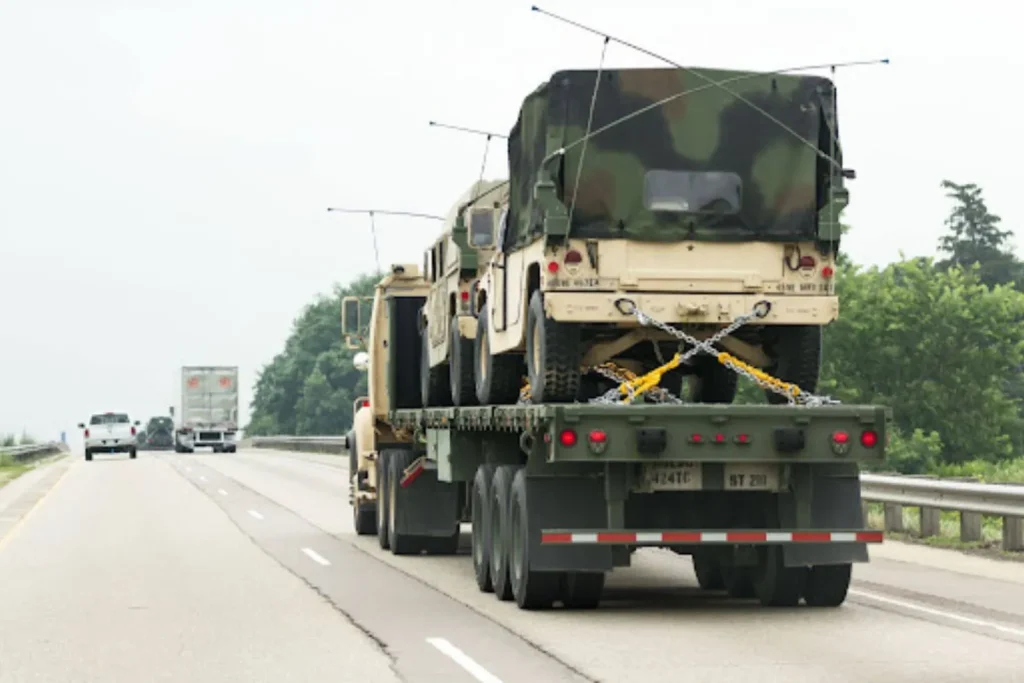
Law enforcement agencies move fully equipped patrol vehicles with built-in electronics and lighting systems that require careful handling. Utility departments transport heavy service trucks, bucket trucks, and equipment that may exceed standard transport weight and height limits. Emergency management agencies move mobile command centers and specialized response vehicles that require specific carrier types and permits.
Administrative fleets, the sedans and SUVs used by civilian agency employees, are closer to standard auto transport work, but even these moves often involve higher volumes, tighter coordination, and more documentation than typical consumer shipping.
Transport providers with direct experience in these vehicle categories understand the handling requirements, permit processes, and documentation standards that each type demands. That experience reduces errors, prevents delays, and creates measurable efficiency gains that agencies notice during performance evaluations. Specialized experience is not just a sales point; it translates directly into the quality of contract execution.
Frequently Asked Questions About Government Vehicle Transport Procurement
Partner With Car-Go for Government Vehicle Transport
Government agencies need transportation partners that understand procurement requirements, fleet logistics, compliance standards, and operational deadlines. Whether you’re relocating a single vehicle, coordinating a fleet transfer, or supporting a time-sensitive deployment, reliable transportation helps keep operations running smoothly.
Car Go provides secure, professional vehicle transport solutions for public-sector organizations nationwide, with the experience and flexibility needed to meet agency requirements. Contact our team today to discuss your transportation needs and request a customized quote for government vehicle transport.
About the Author: Malachi Flesher
