
Winning a bid on Copart, IAA, or Manheim feels like a victory. You’ve landed that project car at a steal, or maybe snagged a salvage vehicle with profit potential. But here’s where many buyers hit their first real obstacle: getting that vehicle from the auction lot to their driveway, sometimes across multiple states.
Auction vehicle shipping operates under different rules than your typical car move. Private party sales give you flexibility. Auction facilities? They run on strict timelines, gate passes, release protocols, and storage deadlines that start ticking the moment you win.
This guide walks through every step, from confirming your purchase release to coordinating the actual pickup. Whether you’re dealing with a run-and-drive sedan or an inoperable salvage truck with frame damage, understanding these auction-specific requirements saves time, money, and frustration.
How Auction Vehicle Shipping Differs from Regular Car Moves

Regular car shipping involves two people and one vehicle. The owner hands the keys to the driver, both parties inspect the car, sign a bill of lading, and off it goes. Auction shipping adds several layers:
- Controlled access facilities requiring gate passes
- Many vehicles won’t start or drive
- Loading assistance varies by location
- Some yards use forklifts, risking undercarriage contact
- Specific equipment requirements for damaged units
The complexity increases when vehicles are inoperable. Auction listings might say “starts” but that doesn’t mean it drives. Engine damage, missing wheels, locked transmissions, or frame issues all affect how the vehicle gets loaded and what equipment the carrier needs.
Then there’s timing. Auctions give buyers a limited free storage window. After that, daily storage charges begin. Weekends and holidays don’t extend that grace period, they eat into it.
Confirming Your Auction Purchase and Release Status
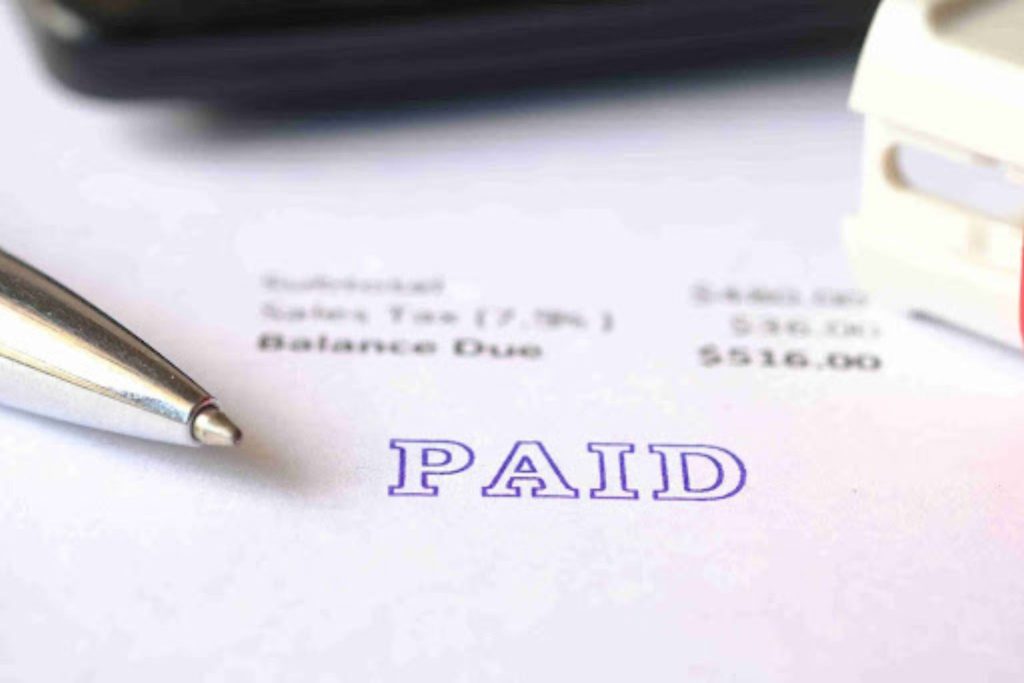
Before booking any transport, the vehicle needs full release from the auction. Carriers cannot pick up a car that’s still showing “on hold” or “awaiting documentation” in the system.
Understanding Status Terms:
- Copart: “paid” and “pending release”
- IAA: “released” or “not released”
- Manheim: “ready for pickup”
The vehicle won’t move to released status until payment processes complete, any title or documentation requirements are met, and the facility confirms everything in their system.
Getting Your Gate Pass:
Your gate pass authorizes the carrier to enter the facility and remove your vehicle. Copart generates these through the member dashboard. IAA requires a vehicle release form. Manheim handles this through their dealer network.
Here’s where mistakes happen. The name on the gate pass must match the name authorized for pickup. If you’re sending a transport company, many auctions require the gate pass to list the transport company name or driver name. Mismatches result in the carrier being turned away.
Before booking shipping, verify:
- Lot number and VIN
- Buyer number
- Release date
- Storage deadline
- Whether the auction facility will assist with loading
Required Documents for Auction Pickups
Every carrier arriving at an auction lot needs these core documents:
- Gate pass or proof of release
- Buyer information and VIN
- Lot address and yard contact info
- Driver’s license
- Carrier’s insurance certificate (varies by yard)
Common Documentation Mistakes:
Wrong name on the release is the most frequent issue. Missing buyer authorization for third-party pickup comes in close behind. Some auctions require buyers to log into their account and specifically authorize the transport company to act on their behalf.
Expired or single-use gate passes create problems, too. Some passes are only valid for a specific date or a limited window. If the carrier misses that window, you’ll need to generate a new one.
Handling Inoperable Auction Vehicles
Understanding Vehicle Conditions:
- Run and Drive:Starts, shifts into gear, drives onto trailer under its own power
- Starts:Engine turns over but vehicle won’t move (transmission problems, locked brakes)
- Doesn’t Start:Self-explanatory
- No Keys:Unknown condition until accessed
- Engine/Frame Damage:May not start or roll properly
Auction facilities have rules about what they will and won’t do for inoperable vehicles. Many locations use forklifts to load cars that don’t roll, but forklift loading carries risks. The forks go under the vehicle’s chassis, and any contact with the undercarriage can cause additional damage.
Be Honest About Vehicle Condition:
The truth about your vehicle’s condition matters more than what the auction listing says. Listings can be outdated or vague. Flat tires, missing wheels, severe body damage—all of this needs to go into your conversation with the transport company.
Sending photos helps. If the auction provides condition reports with pictures, share those. Car-Go Auto Transport and other quality carriers appreciate honest communication about condition because it allows them to send the right equipment the first time.
Loading Assistance at the Auction Lot
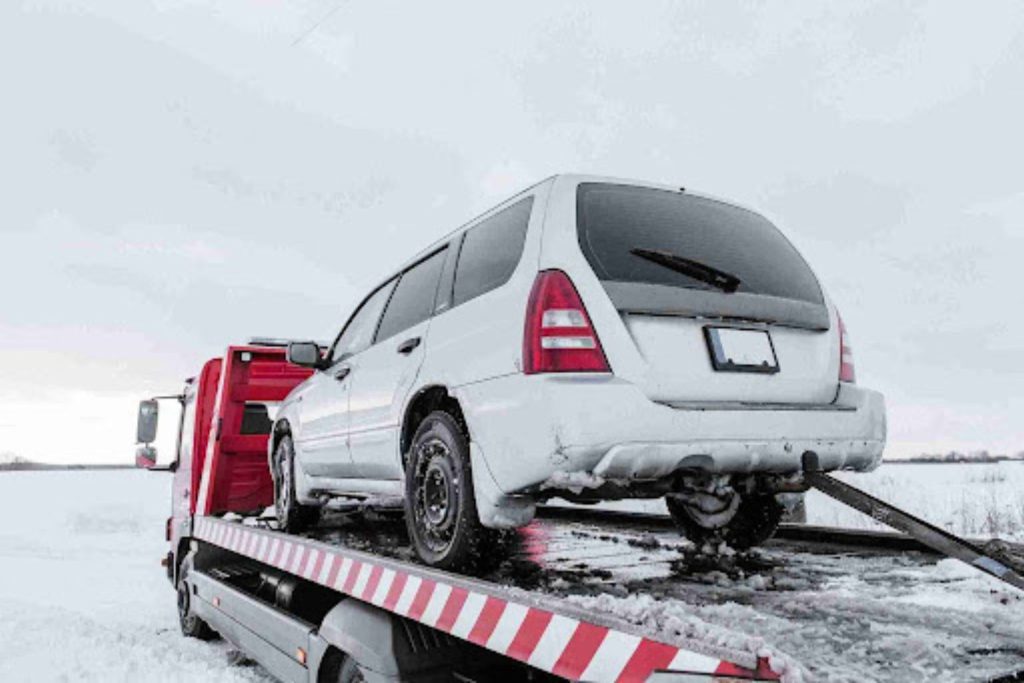
Who actually loads the vehicle depends on the facility. At many Copart and IAA locations, yard staff move the vehicle to the loading area. Other locations make the driver responsible for loading.
Trailer Types and Their Limitations:
- Standard open carriers:Best for vehicles that roll and sit flat
- Flatbeds with tilt decks:Needed for no-wheel units or severe damage
- Carriers with winches:Required when vehicles can’t roll
Forklift loading sounds convenient but comes with trade-offs. Forklifts can damage the undercarriage, especially on vehicles that already have frame or chassis issues. Auction yards usually disclaim responsibility for forklift damage.
Appointment Systems:
Some yards schedule specific time slots for carriers. Miss your slot, and you wait until another opens up. Other yards operate first-come, first-served during business hours. During busy periods, waits can stretch for hours.
Same-day pickup rarely works for auction units. Building in an extra day or two protects against common delays.
Taking Damage Photos Before Release
Documentation becomes extra valuable with auction vehicles because they already have known damage. Separating existing auction damage from new transport damage requires clear records.
Must-Have Photo Angles:
- Four corners
- Full sides, front, rear, and roof
- Close-ups of wheels and underbody damage
- Known impact zones
- Odometer reading
- Interior shots
- Any loose parts or body panels
If you can’t be at the auction in person, ask the driver for time-stamped photos before loading. Many drivers are willing to take a few pictures with their phone and text them to you.
Third-party inspection services exist for buyers who want professional documentation. These companies send someone to the auction lot to photograph and assess the vehicle before it ships.
Lot Hours, Storage Deadlines, and Time-Based Fees
Auction facilities operate on limited hours. Typical weekday hours run from early morning to late afternoon, with some locations closing earlier on Fridays. Saturday hours are even more restricted. Sundays and holidays? Almost always closed.
Understanding Free Storage Windows:
Copart and IAA typically give buyers several days from the date of sale before storage charges kick in. Manheim’s policies vary by location. Here’s the catch: weekends and holidays count against this window even though you can’t pick up during that time.
Win a bid on Friday afternoon? Your free storage might expire by midweek, but the lot is closed Saturday and Sunday. That really means you have limited weekdays to get the vehicle out.
Avoiding Storage Fees:
Book transport immediately after winning the bid. Waiting to “find a better price” eats into your free storage window. If the cheaper carrier you find isn’t available until after the deadline passes, you’ve lost more in storage fees than you saved on shipping.
Common Fees and Avoidable Delays
Typical Auction-Related Fees:
- Storage fees after the free window
- Pull-out or loading fees
- Inop fees for mechanical assistance
- Gate pass reissue or admin fees
Mistakes That Cause Delays:
Not paying the auction in full before scheduling transport is number one. Don’t book shipping until you see “released” or “ready for pickup” in the auction portal.
Sending an outdated or incorrect gate pass wastes everyone’s time. If you generated a pass days ago, check if it’s still valid. Many passes have expiration dates or are single-use only.
Failing to mention inop status or severe damage leads to carriers showing up unprepared. Be honest about what you know and what you don’t know.
Booking a carrier that can’t access that specific auction yard happens more often than it should. Not all carriers service every auction location. Verify your carrier can actually reach the yard before you commit.
Quick Checklist for Auction Vehicle Shipping
Before Booking:
- Pay the auction in full
- Confirm vehicle release status
- Download gate pass and verify details
Before Carrier Arrives:
- Confirm lot hours and storage deadlines
- Share gate pass, lot address, and vehicle condition
- Clarify if the unit is inop or has missing wheels
At or Before Release:
- Capture damage photos from all angles
- Confirm loading assistance and any added fees
- Save copies of all documents and receipts
Frequently Asked Questions
Ready to Ship Your Auction Vehicle?
Auction purchases come with tight deadlines and specific requirements. Car-Go Auto Transport specializes in auction vehicle logistics, from Copart and IAA to Manheim facilities nationwide. Our team understands gate pass protocols, inoperable vehicle handling, and storage deadline management.
Share your auction details with us, facility location, vehicle condition, and pickup timeline. We’ll provide a tailored quote and pickup plan that accounts for your specific situation.
Get your free quote todayand ship your auction vehicle with confidence.
