
Sometimes, auto transport doesn’t fail because of distance. It fails because of access. Gated communities, narrow residential streets, downtown corridors, and college campuses all impose delivery rules that standard car carriers can’t always meet. When those constraints aren’t planned for in advance, shipments get delayed, rescheduled, or rerouted at the last minute.
Understanding neighborhood restrictions before a vehicle gets picked up makes the difference between a smooth delivery and a frustrating handoff. This guide explains the most common HOA, city, and campus constraints and how experienced brokers solve them without surprises.
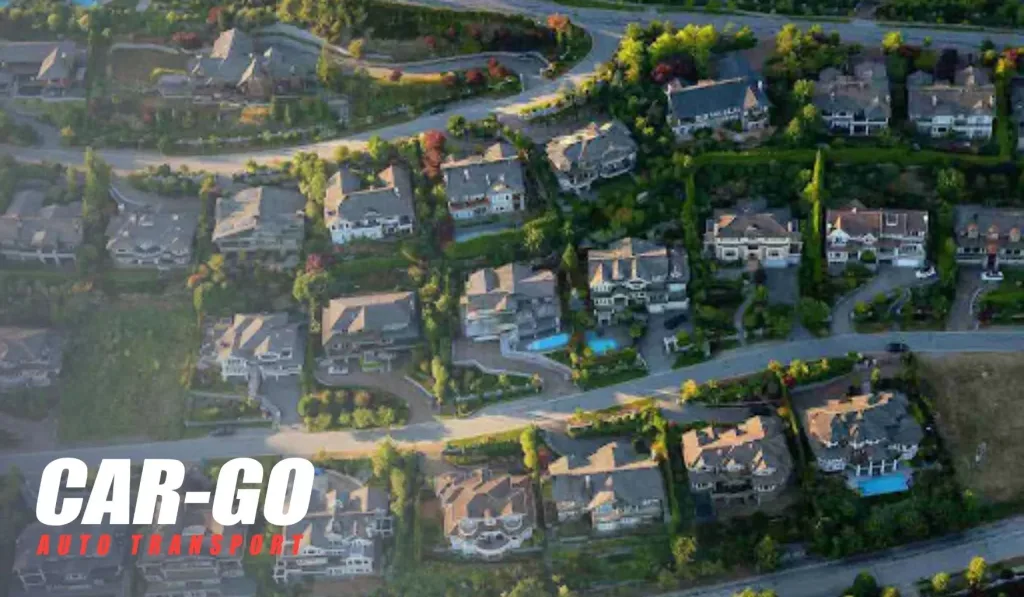
Why Neighborhood Restrictions Complicate Auto Transport
Car carriers aren’t regular delivery trucks. Most long-haul carriers measure 70 to 80 feet in length, require wide turning radii, and need safe staging space to unload. HOAs, cities, and campuses design rules around safety, congestion, and liability, not freight efficiency.
Navigating HOA rules, city permits, and campus restrictions requires planning that experienced auto transport professionalsunderstand before a carrier ever arrives on-site.
Common consequences of unplanned restrictions include:
- Missed delivery attempts
- Forced terminal reroutes
- Added storage or redelivery fees
- Delays caused by permit or access denials
The goal is to match the delivery method to the environment.
Gate Codes, Guard Gates, and Concierge Restrictions

Many HOAs restrict large commercial vehicles or require advance authorization. Some won’t allow carriers past the gate at all.
Common HOA access issues include:
- No gate code provided to the driver
- Guards refusing entry for oversized trucks
- Required delivery appointments during narrow time windows
- Concierge policies limiting unloading time
Car owners should confirm whether commercial carriers are allowed on-site and ask if the HOA permits off-site unloading nearby. Providing dispatch with the gate code or guard contact, HOA delivery rules, and approved delivery hours helps prevent problems. If access gets denied at the gate, the driver cannot wait indefinitely and must reroute.
Failing to disclose HOA rules or city restrictions isone of the most common car shipping booking mistakesthat leads to unexpected delivery complications.
Street Width, Cul-de-Sacs, and Tight Turns
Modern neighborhoods often prioritize walkability and aesthetics over truck access. Cul-de-sacs, parked cars, and landscaped medians can make delivery unsafe or impossible.
Red flags for door delivery include:
- Cul-de-sacs with no turnaround
- Streets under 24 to 26 feet wide
- On-street parking on both sides
- Low-hanging trees or signage
The common workaround involves meeting the carrier at a nearby open lot, wide road, or commercial area where unloading is safe and legal. Experienced dispatchers plan this in advance, not after the truck arrives.
Permit Windows for Large Trucks in Cities
Cities often regulate large trucks with time-of-day delivery windows, permit requirements, and no-idling or no-staging zones. Downtown cores, historic districts, and waterfront areas are especially strict.
This means:
- Carriers may only enter during early morning hours
- Parking enforcement can force drivers to move immediately
- Permits may be required days in advance
Because permits aren’t guaranteed and vary by city, many urban deliveries rely on off-site handoffs instead of curbside unloading. Car owners living in regulated zones should discuss alternative meet-up locations with their broker early in the booking process. Corporate relocations to downtown areas often face similar challenges, which is why vehicle shipping for employee relocations requires careful planning around city access restrictions.
Campus and University Delivery Constraints
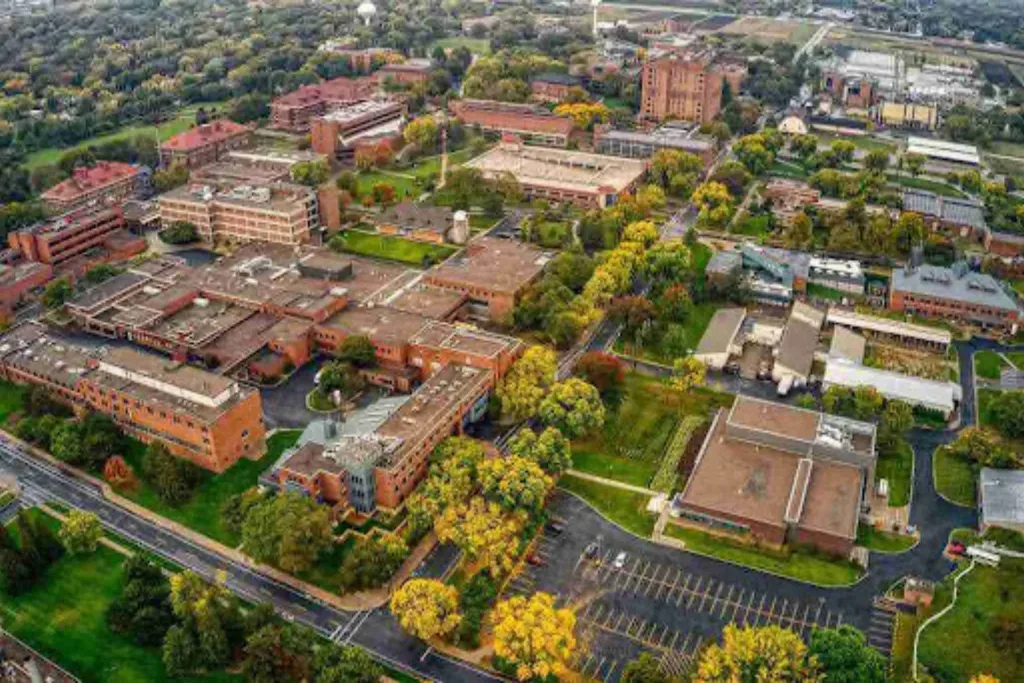
Campuses function like small cities with their own rules. Large carriers are rarely allowed near dorms or academic buildings. Typical campus limitations include no commercial trucks during class hours, security checkpoints requiring pre-approval, and designated delivery zones far from housing.
The best approach for students involves terminal or off-campus delivery points coordinated around student move-in schedules. This avoids congestion, ticketing, and last-minute access denials.College campuses often require off-site or terminal-based vehicle deliverydue to security and access policies that protect pedestrian safety and minimize campus congestion.
Terminal Assist Hybrid Delivery: The Smart Alternative
When full door-to-door delivery isn’t realistic, hybrid delivery combines terminal access with localized pickup or drop-off. The vehicle ships long-haul to a nearby terminal, then completes the process with short-range delivery or customer pickup.
This approach works well for restricted areas because it avoids HOA, city, and campus access issues, reduces ticket and towing risk, and provides flexible timing windows. Hybrid delivery isn’t a downgrade. It’s a strategic approach when access rules matter more than distance.
In restricted neighborhoods,a terminal-assisted or alternative delivery methodmay be the only viable option that keeps the shipment on schedule while respecting local regulations. Car-Go Auto Transport works with car owners to identify the most practical delivery method based on their specific location constraints.
What to Tell Dispatch Before Pickup
The most important step happens before pickup, not at delivery.
Car owners should always tell dispatch:
- HOA name and delivery rules
- Gate codes or guard contact info
- Street width or cul-de-sac concerns
- Permit-restricted zones
- Campus delivery policies
- Preferred nearby meet-up locations
The more detail provided upfront, the smoother the shipment. Brokers can’t solve access problems they don’t know about until the carrier arrives.
Matching the Delivery Method to the Location
Neighborhood restrictions don’t mean a car can’t be delivered. They mean it needs the right delivery strategy. The best brokers don’t promise impossible curbside delivery. They plan for access, safety, timing, and compliance.
When HOA rules, city permits, or campus policies are involved, flexibility beats assumptions every time. A quick conversation upfront about location restrictions can save delays and help a vehicle arrive safely, legally, and on schedule.
Frequently Asked Questions
Ready to Ship Your Vehicle?
Living in a gated community, downtown area, or on campus doesn’t have to complicate your auto transport. Car-Go Auto Transport specializes in navigating delivery restrictions and finding the right approach for your location. Get a free quote todayand let our team plan a smooth, stress-free delivery that works with your neighborhood rules.
About the Author: Malachi Flesher
