
The first question most car owners ask when arranging transport is simple. When will my car arrive?
Whether someone is relocating for work, buying a vehicle from another state, or sending a car to family, the delivery window matters. Car owners want a realistic idea of how the shipment will move from pickup to drop off.
Search results often give quick answers without explaining how auto transport actually works. The truth is that car shipping delivery time depends on several moving parts, including route demand, pickup flexibility, and how close the vehicle is to major highways.
When drivers move along busy interstate corridors, shipments usually move quickly. When a vehicle sits farther from those routes, it may take a bit longer for the carrier to reach the pickup location.
Understanding how the auto transport timeline works helps set clear expectations and prevents surprises along the way. If you are researching auto transport services, knowing how delivery scheduling works can help you choose the right shipping option.
If you want the most accurate estimate for your specific route, the best step is to request a delivery window from an experienced transport coordinator before booking.
How Long Does Car Shipping Take on Average?
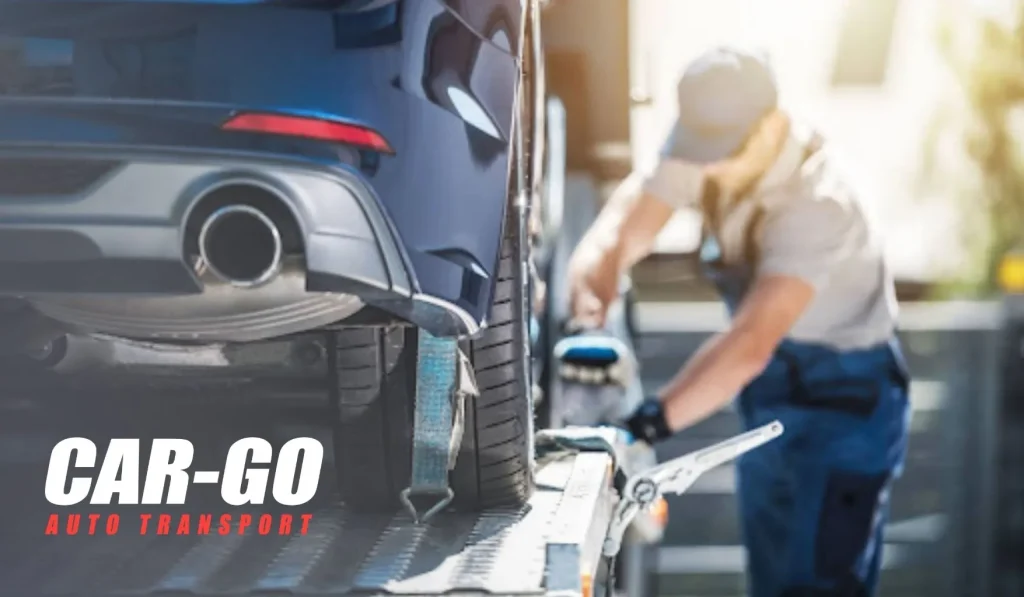
Most car shipping delivery times depend on distance, route demand, and carrier availability. Short regional routes move faster, while cross-country transport requires more driving distance. Pickup flexibility and proximity to major highways also affect how quickly a vehicle can be scheduled and delivered.
Shorter trips move quickly because carriers can load and deliver within the same regional loop. Longer routes require more driving hours and additional stops along the way.
Here is how timelines break down by distance.
Trips under 500 miles usually arrive within one to two days. These shipments often move between neighboring states or nearby metro areas.
Routes between 500 and 1,000 miles usually take two to four daysonce the vehicle is on the truck.
Distances between 1,000 and 2,000 miles generally arrive within four to seven days.
True coast-to-coast routes take seven to ten days,depending on the route and weather conditions.
Typical travel ranges follow distance patterns such as:
- Short regional shipments between nearby states
- Mid-distance routes between major metro areas
- Long interstate shipments across multiple regions
- Coast-to-coast transport connecting opposite sides of the country
These numbers reflect transit time, meaning the period after the vehicle has already been picked up by the carrier. The full timeline includes a few additional steps before the truck arrives.
Full Auto Transport Timeline From Booking to Delivery
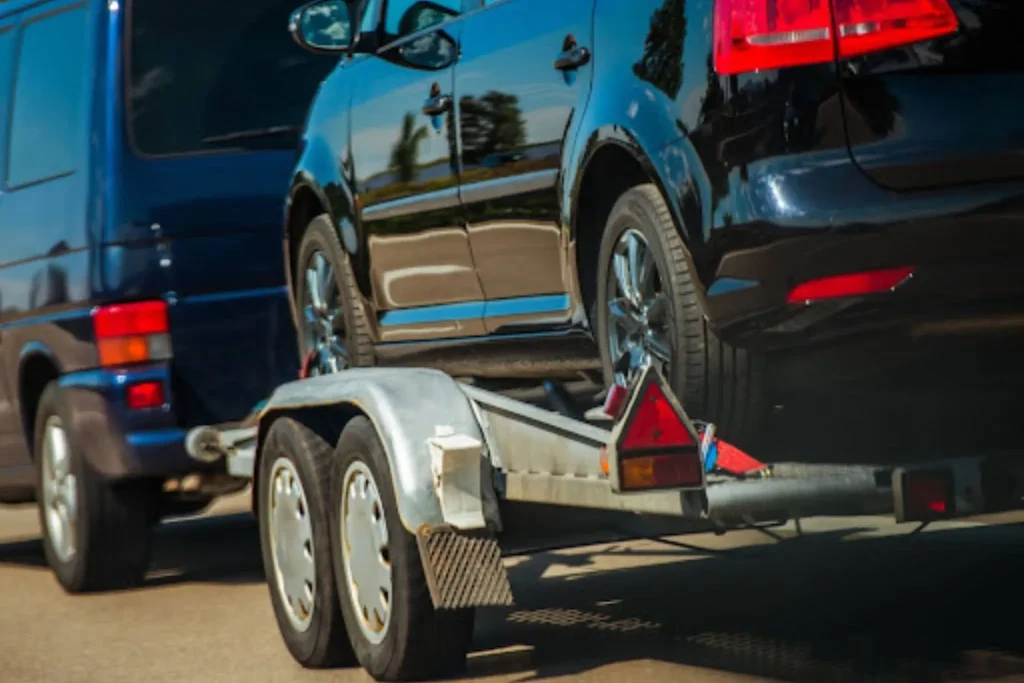
Vehicle shipping follows a sequence of steps before the car reaches its destination. Each step plays a role in the shipment’s progress.
Booking and Carrier Assignment
After placing an order, the shipment is posted to a national carrier network. Drivers operating along that route review the request and choose loads that match their schedule.
Routes between large metro areas usually receive carrier attention quickly because trucks frequently travel those highways.
Flexible pickup windows help drivers fit shipments into existing routes.
Vehicle Pickup Window
Once a carrier accepts the shipment, the driver coordinates pickup directly with the customer.
Pickup timing can vary based on:
- Urban vs rural locations
- Traffic conditions near the pickup address
- Accessibility for large transport trucks
In some neighborhoods, the carrier may meet at a nearby parking lot or open area to safely load the vehicle into a large trailer.
Transit Time
After the vehicle is loaded, the driver begins traveling along the assigned route.
Transit speed depends mainly on:
- Distance between origin and destination
- Traffic patterns along interstate highways
- Scheduled stops for additional vehicle pickups or deliveries
Drivers follow regulated driving schedules that balance road time with required rest periods.
Delivery Coordination
When the carrier approaches the destination city, the driver contacts the recipient to arrange the delivery location.
Most deliveries happen at a residential address, though some areas may require meeting at a nearby open location if street access is limited.
A final inspection takes place upon arrival of the vehicle.
How Long Does It Take to Ship a Car Cross Country?
Cross-country shipments move along some of the busiest freight corridors in the United States.
Routes connecting major population centers often move faster because trucks travel those highways regularly.
Examples of common cross-country corridors include:
- Southwest to Southeast routes connecting Arizona and Florida
- West Coast to Texas corridors linking California and the central states
- Midwest to West Coast routes across major interstate highways
High traffic routes benefit from consistent carrier availability. Remote locations may require additional coordination before the truck arrives.
What Causes Delays in Car Shipping?
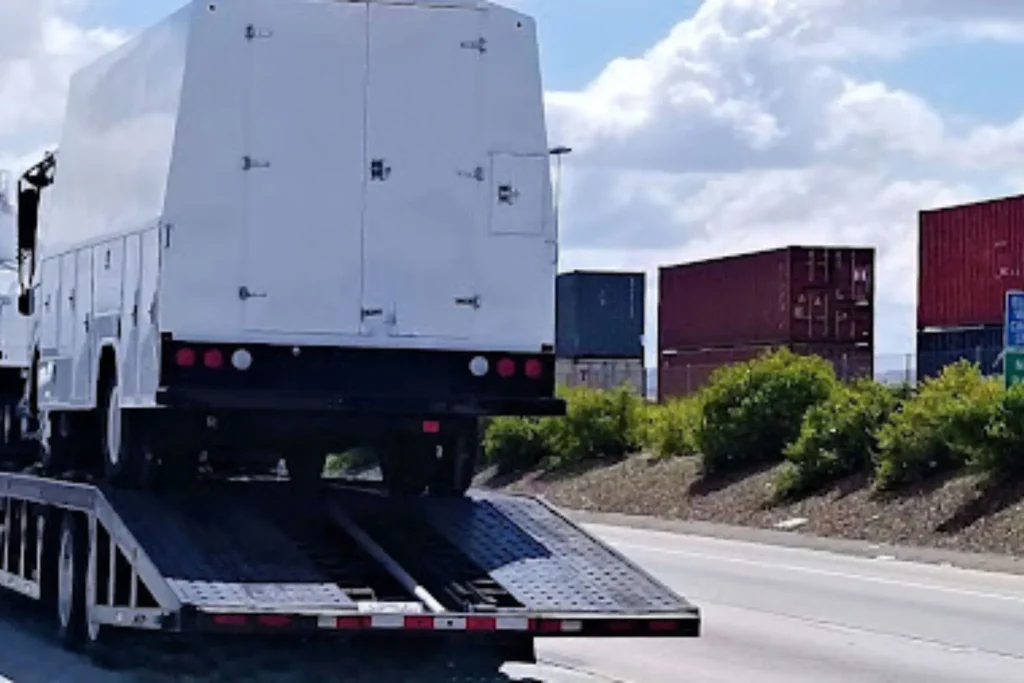
Even well-organized shipments occasionally encounter delays. Several factors outside a transport company’s control can affect scheduling.
Common causes include:
- Severe weather such as snowstorms or hurricanes
- Federal driver rest regulations
- Rural pickup or delivery locations
- Unexpected mechanical issues with transport trucks
- Seasonal shipping demand across popular relocation routes
Most carriers communicate updates promptly when road conditions or scheduling change.
Is Expedited Car Shipping Faster?
Expedited shipping prioritizes a vehicle within the carrier network so that it can be assigned to a driver sooner.
This option can be helpful when:
- A customer needs faster pickup scheduling
- The shipment must align with a relocation deadline
- The route has strong carrier availability
Expedited service mainly affects dispatch timing rather than the actual driving portion of the trip.
Does Open vs Enclosed Transport Affect Delivery Time?
There are 2 types of carriers: open and enclosed transport, and understanding each type can influence dispatch speed.
Open transport trucks operate across nearly every interstate route in the country. Because these carriers are widely available, shipments often move quickly once scheduled.
Enclosed transport trailers are less common. They serve specialty shipments such as classic, luxury, or collector vehicles. With fewer trucks on the road, scheduling pickup may take slightly longer.
After the vehicle is loaded, both transport types travel at similar speeds along the highway.
What’s the Fastest Route in the U.S. for Auto Transport?
Some shipping lanes move especially quickly due to heavy freight traffic and constant carrier flow.
High activity routes often include:
- Southern California to Arizona corridors
- Texas metro connections, such as Dallas and Houston
- Northeast interstate routes linking major East Coast cities
These routes benefit from:
- Dense population centers
- Major interstate highways
- Continuous truck traffic throughout the week
When vehicles ship between these markets, carrier availability tends to be very strong.
How to Get the Most Accurate Car Shipping Delivery Time
Car owners can improve delivery accuracy by planning a few details before booking transport.
Helpful steps include:
- Allow flexibility with pickup scheduling
- Book the shipment several days ahead of the desired pickup date
- Choose metro pickup points when possible
- Avoid peak seasonal shipping periods
These adjustments give carriers more opportunities to match shipments to active routes.
Frequently Asked Questions About Shipping a Car From Arizona to Texas
Ready to Ship Your Car?
The speed of auto transport depends on distance, route activity, and scheduling flexibility. Busy interstate corridors usually move quickly, while remote areas may require additional coordination.
Working with an experienced transport coordinator makes the process far easier. A professional team can evaluate your route, identify active carrier lanes, and provide a realistic delivery estimate before the vehicle is scheduled.
Car Go Auto Transportarranges insured, door-to-door vehicle shipping across the United States with experienced coordinators who guide customers from booking through delivery.
If you are planning to ship a car, request your free quote from todayand receive a clear delivery estimate based on your route and pickup location.
About the Author: Malachi Flesher
