
When car owners start researching auto transport quotes, they often stumble across a term that raises eyebrows: dispatch fee. The phrase sounds official, maybe even a bit suspicious. Is this another hidden charge? A last-minute surprise? Something brokers tacked on to pad their profits?
Here’s the straightforward answer: a dispatch fee isn’t a hidden charge at all. It’s the portion of your auto transport price used to secure a carrier and officially schedule your shipment. Think of it as the mechanism that transforms your quote from a price estimate into an actual reservation with a truck driver who will show up at your door.
Understanding what this fee covers, why it exists, and when it applies helps car owners make informed decisions without fear of surprise charges.
Average Cost to Ship a Car From Arizona to Texas (2026 Pricing Breakdown)

Pricing on the Arizona to Texas corridor sits in a competitive range. The route is long enough that driving becomes a real inconvenience, but short enough that carriers complete it efficiently. That efficiency gets passed along in the rate.
Typical Price Ranges by Route
Each city pairing on this corridor has its own pricing behavior based on distance and carrier availability:
- Phoenix to Dallas: highest carrier volume, most competitive rates on the corridor
- Phoenix to Houston: slightly higher due to added distance and competing westbound shipments
- Tucson to Dallas: comparable to Phoenix to Dallas, though fewer carriers actively dispatch from Tucson
- Tucson to Houston: the longest pairing on the route, with a modest premium to reflect it
Price Per Mile on This Corridor
The Arizona to Texas route has a lower cost per mile than most cross-country hauls. The reason is corridor density. Carriers run this route regularly because vehicle volume is high in both directions. When a driver can fill a trailer heading east and find another load coming west, they do not need to charge as much to make the trip work.
Route Breakdown: Phoenix to Dallas vs. Tucson to Houston
Phoenix to Dallas (High-Volume Business Corridor)
Phoenix to Dallas is a high-volume business corridor with consistent carrier availability year-round. Dallas is one of the biggest auto transport hubs in the country, which means more carriers are actively bidding for loads going that direction. More competition means better pricing and faster pickup windows for the shipper.
Tucson to Houston (Growing Relocation Route)
Houstonhas grown significantly as a shipping destination, driven by the energy sector and a steady flow of military relocations. That growth has increased carrier traffic on this route, which has improved pricing and shortened pickup times compared to a few years ago.
Phoenix to San Antonio and Phoenix to Austin follow similar pricing behavior to Houston, with modest premiums compared to Dallas due to carrier density differences.
Which Route Is Faster or More Affordable?
Phoenix to Dallas is the faster and more affordable option for most shipments. The shorter distance, strong carrier presence in DFW, and consistent eastbound volume all work in the shipper’s favor. Tucson to Houston is still a well-serviced route, but the extra mileage and Houston’s carrier network position add a modest premium.
Open vs. Enclosed Transport Pricing on the Arizona–Texas Route
Open Carrier Cost on AZ to TX
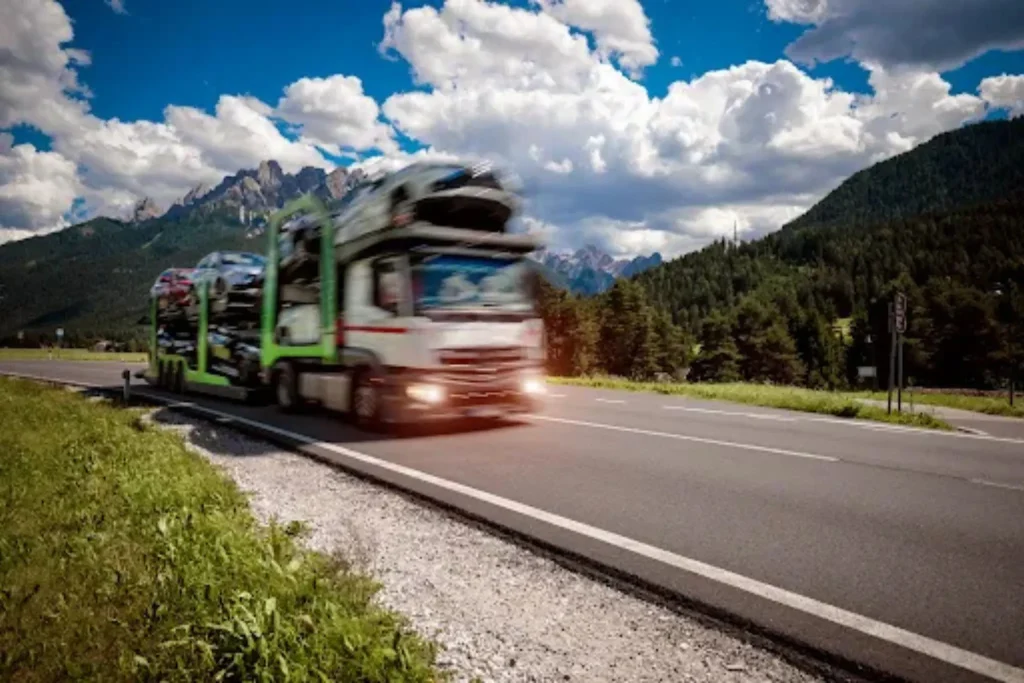
Open transport is the most common method on this route and works well for the vast majority of vehicles. Sedans, SUVs, trucks, and minivans all move on open carriers daily without issue. The pricing ranges in this guide reflect open transport.
Enclosed Carrier Cost from AZ to TX
Enclosed transport adds a significant premium to the base rate. Texas buyers of luxury and classic cars request enclosed more than the national average, largely because many shipments originate at auctions or dealerships where vehicle condition at delivery is non-negotiable.
The Arizona to Texas corridor has its own seasonal rhythm. Timing a shipment around these patterns can affect both price and pickup speed.
Which Option Makes Sense for Your Vehicle?
The right choice depends on the vehicle:
- Open transport: the practical, cost-effective choice for standard daily drivers
- Enclosed transport: the right call for classic cars, luxury vehicles, custom builds, or any vehicle where paint condition matters
On a route where vehicle values can easily exceed five figures, the extra cost for enclosed protection is rarely the wrong decision.
How Seasonal Demand Affects Arizona to Texas Car Shipping Rates
Winter Snowbird Reverse Migration (TX to AZ and Back)
A significant number of Texas retirees winter in the Phoenix and Scottsdale areas and head home in late winter and early spring. This eastbound surge tightens carrier availability and can push rates up from mid-February through early April.
Summer Relocation Spikes (Corporate and Military Moves)
Corporate relocationseason runs through summer, and the Arizona to Texas corridor gets a concentrated version of this rush. Companies headquartered in Dallas, Houston, and San Antonio regularly transfer employees from Phoenix-area offices, and military bases throughout Texas generate a wave of PCS moves. Booking without enough lead time during this window can result in higher quotes and longer pickup waits.
Holiday and End-of-Year Transport Delays
Late November through early January is consistently the slowest window for auto transport. Carriers reduce runs, pickup windows stretch, and availability narrows. Scheduling before Thanksgiving or waiting until mid-January avoids the congestion entirely.
Delivery Timelines — How Long Does It Take to Ship From Arizona to Texas?
Standard Transit Time
Once a carrier picks up the vehicle, delivery on this corridor is relatively quick. Phoenix to Dallas and Phoenix to Fort Worth typically land on the shorter end of the transit range. Tucson to Houston or moves with delivery addresses outside major metro areas, can take a bit longer. These timelines reflect actual drive time, not the pickup window itself.
Expedited Shipping Options on This Route
Expedited service is available for car owners who cannot be flexible on timing. This means the carrier prioritizes the load and works around the shipper’s schedule rather than their own. Expedited shipping carries a premium above standard rates, so booking in advance is always the better option when possible.
Pickup and Delivery Windows in Major Metro Areas
In Phoenix, Tucson, Dallas, and Houston, carriers are active, and pickup windows are short for shipments booked in advance. Smaller cities or rural delivery addresses may add extra time to both the pickup and delivery windows.
When Shipping Makes More Sense Than Driving From Arizona to Texas
Most people underestimate what the drive actually costs. Fuel from Phoenix to Dallas alone adds up fast, and that’s before hotels, meals, and time off work are factored in.
Here is what rarely gets calculated:
- Mileage depreciation: putting over 1,000 miles on a vehicle affects resale value in a way that adds up on a dealer lot
- Heat risk: summer temperatures in Arizona and West Texas regularly exceed extreme levels, stressing tires, cooling systems, and the driver
- Lost time: for someone flying to their destination, driving means paying twice in both effort and missed work or PTO
For many people, shipping the car and booking a flight costs the same or less, with far less wear on both the vehicle and the person making the move.
How to Get the Best Rate on Arizona to Texas Auto Transport
Understanding how carriers price routescan also help you strategically time your bookings, especially when seasonal shifts affect availability and bidding behavior.
A few simple steps consistently produce better quotes:
- Book ahead: seven to fourteen days is the sweet spot for this corridor; last-minute requests carry a premium
- Be flexible on pickup dates: carriers plan routes in advance, and a flexible window is more attractive than a fixed day
- Avoid peak weeks: the first half of June, the last week of July, and holiday periods are the most congested times on this route
- Use a major metro pickup zone: a vehicle ready in central Phoenix or central Tucson is easier to route than one in an outlying area
Car-Go Auto Transportworks with carriers across both states and can match the right option to any timeline and budget. Get a free, no-obligation quote and see exactly what this route will cost before committing to anything.
Frequently Asked Questions About Car Shipping Delivery Time
Ready to Ship Your Car From Arizona to Texas?
Do not leave your vehicle sitting while the move is being arranged. Car-Go Auto Transport connects car owners with vetted carriers on the Arizona-to-Texas corridor every day. Get a free quote today, pick a date that works, and have the vehicle waiting when you arrive. No hidden fees. No surprises.
About the Author: Malachi Flesher
