
Why Roof Racks and Accessories Matter in Long-Distance Shipping
Planning to ship a family SUV loaded with a roof box, bikes strapped to the back, or off-road recovery gear? That loaded-up adventure vehicle needs careful thought before handing the keys to an auto carrier.
External accessories create real concerns for transport companies. Safety comes first, but liability and Department of Transportation regulations also play a role. A bike rack that feels secure during your weekend trip might not survive hundreds of highway miles on an open carrier stacked two vehicles high.
This guide walks through which accessories need to be removed, which might stay attached, and how to prepare your vehicle for a damage-free journey.
Understanding Wind-Load Risks on Open Car Carriers
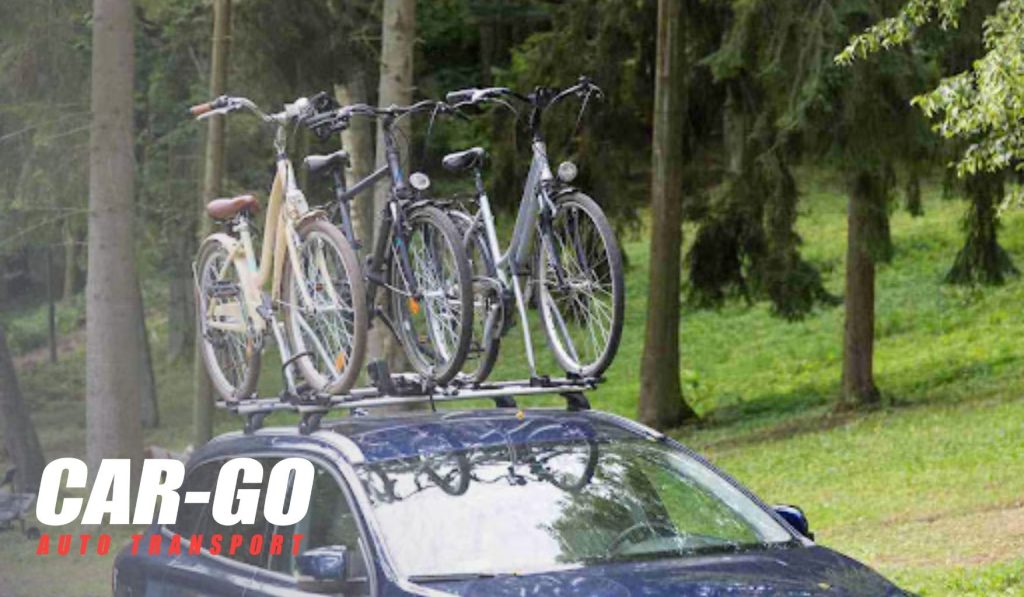
How Wind-Load Works at Highway Speeds
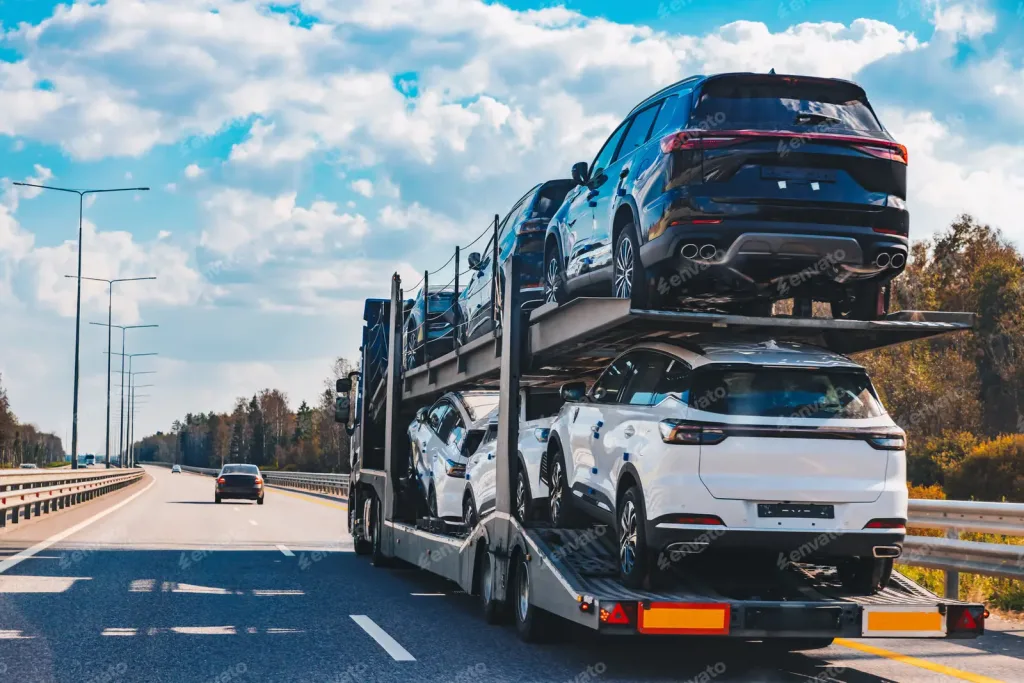
Open car carriers stack vehicles on two levels, creating complex airflow patterns at highway speeds. The wind doesn’t just blow past your SUV the way it does when you’re driving. Air turbulence swirls around multiple vehicles at once, creating pressure and suction forces that stress anything protruding from the roof or rear.
Just because your cargo box never budged during a freeway drive doesn’t mean it can handle carrier conditions. Routes often cross areas with strong crosswinds, and turbulence from passing trucks adds another layer of force.
Standard Accessories at Risk on Open Trailers
High-risk items that typically require removal:
- Cargo boxes and rooftop bags
- Bike racks and bikes (hitch or trunk-mounted)
- Kayak and canoe carriers
- Roof baskets with gear
- Off-road recovery equipment
Moderate-risk items needing assessment:
- Aftermarket crossbars
- Ladder racks
- Light bars and auxiliary lighting
- Non-factory spoilers
Factory-installed roof rails and low-profile OEM spoilers usually stay secure without issues.
Damage Scenarios You Want to Avoid
When accessories fail during transport, the damage spreads quickly. A roof box tearing free can rip paint, dent the roof, and damage mounting points. Worse, it becomes a projectile that could hit other vehicles.
Carriers conduct pre-trip inspections, and many will refuse to load vehicles with accessories they consider unsafe. That refusal can mean delays or cancellation of your transport agreement.
What Should Come Off Before Shipping?
Roof Racks and Crossbars
Factory-installed roof rails that sit flush with the roofline can usually stay attached. Removable crossbars present a different situation. The prolonged vibration and wind exposure during transport can work them loose.
Check the torque points and plastic end caps before deciding. If the crossbars haven’t been removed in years, the plastic components might be brittle.
Cargo Boxes and Rooftop Bags
Hard-shell cargo boxes almost always need removal. Their large surface area creates too much wind resistance, and mounting clamps aren’t designed for carrier transport stress. Never ship a cargo box with items inside.
Rooftop bags present similar problems. The attachment points on your roof aren’t designed for sustained pressure from wind buffeting. Pack the bag separately and remove it from the vehicle.
Hitch-Mounted & Trunk-Mounted Bike Racks
Most carriers require the complete removal of bikes and their racks before loading. Bikes have many small parts that can detach during transport, and their frames can shift enough to scratch paint or damage sensors.
Trunk-strap systems present special risks because constant vibration can work the straps loose or grind away protective padding. Rear cameras, parking sensors, and collision avoidance systems also get damaged when bike racks shift.
Specialty Gear and Off-Road Accessories
Items that need removal:
- Kayak and canoe carriers
- Roof-mounted auxiliary fuel or water containers
- Off-road jacks and recovery boards
- External shovels and tools
- Roof baskets with cargo
These items typically attach with bolts or quick-release mounts designed for off-road use, not highway speeds on a carrier.
How to Safely Remove and Store Accessories Before Pickup
Tools and Prep You’ll Need
Basic hand tools handle most removal jobs: Allen keys, socket sets, and a torque wrench. A step ladder lets you reach roof-mounted accessories safely, and moving blankets protect paint.
Check your manufacturer’s manual for specific torque specifications and removal steps.
Step-by-Step Removal Process
Start by clearing all cargo from roof boxes, baskets, and interior storage. Work in a garage or driveway where you have room to spread out.
Remove accessories one at a time, placing each piece carefully on a moving blanket. Bag and label every bolt, bracket, and plastic cap as you go. Use sandwich bags or small containers marked with masking tape noting which accessory the parts belong to.
Storing Accessories During the Move
Label storage boxes clearly: “roof rack hardware” or “bike rack mounting bolts.” Store accessories where they won’t get damaged or lost. Inside the vehicle, it works for lightweight items, but larger pieces might need to go in your moving truck.
Wrap metal pieces in blankets before placing them in the trunk to avoid scratching interior surfaces.
Packing Loose Accessories and Interior Items
What Can Stay Inside the Vehicle
Light, non-fragile items below the window line can typically travel inside your vehicle. Factory floor mats, owner’s manuals, and basic accessories fit this category. Check with your transport company about their interior cargo policies.
What Should Never Be Left Inside
Prohibited or high-risk items:
- Heavy tools and spare parts
- Sharp or unrestrained objects
- High-value electronics
- Personal documents
- Firearms
- Sensitive materials
Carrier insurance typically doesn’t cover items left inside the car.
Tips for Secure Interior Packing
Use sturdy bins and soft duffel bags instead of loose items scattered across the back seat. Secure containers can’t shift as much during transport. Contact your transport coordinator before pickup day if you plan to ship items inside.
When to Consider Enclosed Transport for Bikes and Gear
Open vs Enclosed: What Changes for Accessories?
Enclosed trailers provide protection from weather and road debris, but the rules about bolt-on accessories stay largely the same. Enclosed transport helps with items you want to ship alongside your vehicle.
High-end road bikes, e-bikes, or carbon fiber frames can travel inside an enclosed trailer secured separately from the vehicle. Car-Go Auto Transport works with clients to accommodate specialized equipment when enclosed shipping makes sense for their situation.
Ideal Situations for Enclosed Shipping
Consider enclosed transport for:
- Luxury vehicles with delicate roof systems or panoramic glass
- Overland rigs with extensive aftermarket modifications
- High-value bikes and sporting equipment
- Vehicles where accessories represent a significant investment
Think about what you’re shipping and what it would cost to repair or replace if something goes wrong. Balance the extra cost against your tolerance for risk and the value of what you’re moving.
Claim-Proof Photo Documentation Before the Carrier Arrives
The Right Way to Document Your Vehicle
Wash your vehicle before taking photos. Dirt and grime hide existing scratches and damage. Photograph all four corners of the vehicle, plus straight-on shots of the front, rear, and both sides.
Don’t Forget the Roof and Rack Area
Stand on a step ladder for overhead angles of the roof. Take photos both with accessories attached and after removal so you have clear before-and-after documentation.
Key areas to photograph:
- Roof rails and crossbar mounting points
- Hitch area and rear bumper
- Backup cameras and sensors
- Interior cargo arrangement
Storing and Sharing Your Photos
Set your phone or camera to include date stamps. Back up all photos immediately to cloud storage or email them to yourself. Send key photos to your transport coordinator if you removed accessories or made changes after booking.
Working with Your Auto Transport Company on Accessory Policies
Questions to Ask Before You Book
Get clear answers about accessory policies before committing:
- Can I ship with my specific roof rack, cargo box, or bike rack attached?
- Are there extra fees for non-standard configurations?
- What are your written guidelines about interior cargo?
Getting Written Confirmation
Ask for policy information via email or include it in your quote documentation. If a representative tells you something can stay attached, request that confirmation in writing.
Note any special approvals or exceptions explicitly in your transport agreement.
How a Good Carrier Helps You Decide
Quality transport companies provide pre-shipment guidance specific to your vehicle type. They’re honest about which accessories create real risks versus which ones are negotiable based on route and trailer availability.
The best companies explain the reasoning behind their policies rather than just saying no.
Final Checklist and Takeaway
Before pickup day:
- Remove accessories that extend significantly beyond your roofline
- Pack and label all mounting hardware
- Photograph your vehicle from every angle
- Confirm accessory policies in writing with your transport company
The balance between convenience and protection tilts heavily toward removing accessories before transport. That hour of work beats dealing with damaged paint, broken accessories, or claim disputes after delivery.
Frequently Asked Questions
Ready to Ship your Vehicle with Confidence?
Contact Car-Go Auto Transporttoday for personalized guidance on handling your specific accessories and equipment. Our experienced team will walk you through exactly what needs removal for your route and vehicle type, answer all your questions, and provide transparent pricing with no hidden surprises.
Get your free quote nowand experience the difference that direct communication and expert support make in your auto transport journey.
About the Author: Malachi Flesher
