
Why Non-Running Vehicles Require a Different Transport Plan
Shipping a vehicle that doesn’t run presents challenges most car owners don’t anticipate until they’re already committed to a carrier. Standard auto transport assumes your vehicle can drive onto and off of a trailer under its own power. When that’s not possible, everything from equipment requirements to pricing changes.
Non-running vehicles come from varied situations:
- Project carspurchased at auction, needing complete restoration
- Accident-damaged vehiclesare declared a total loss by insurance
- Flood-damaged carsare no longer drivable
- Estate vehiclesthat have sat unused for years
- Classic carsmid-restoration without working engines
The problems start when car owners treat inoperable shipping like standard transport. Carriers arrive expecting a driveable vehicle and find one that needs specialized equipment. This mismatch leads to delays, additional fees not included in the original quote, or failed pickups when the driver simply can’t take the vehicle.
Shipping a non-running vehicle requires experience, specialized equipment, and careful planning; areas whereprofessional car shipping expertsmake the difference between a smooth transport and costly delays.
What Qualifies as a Non-Running (Inoperable) Vehicle?
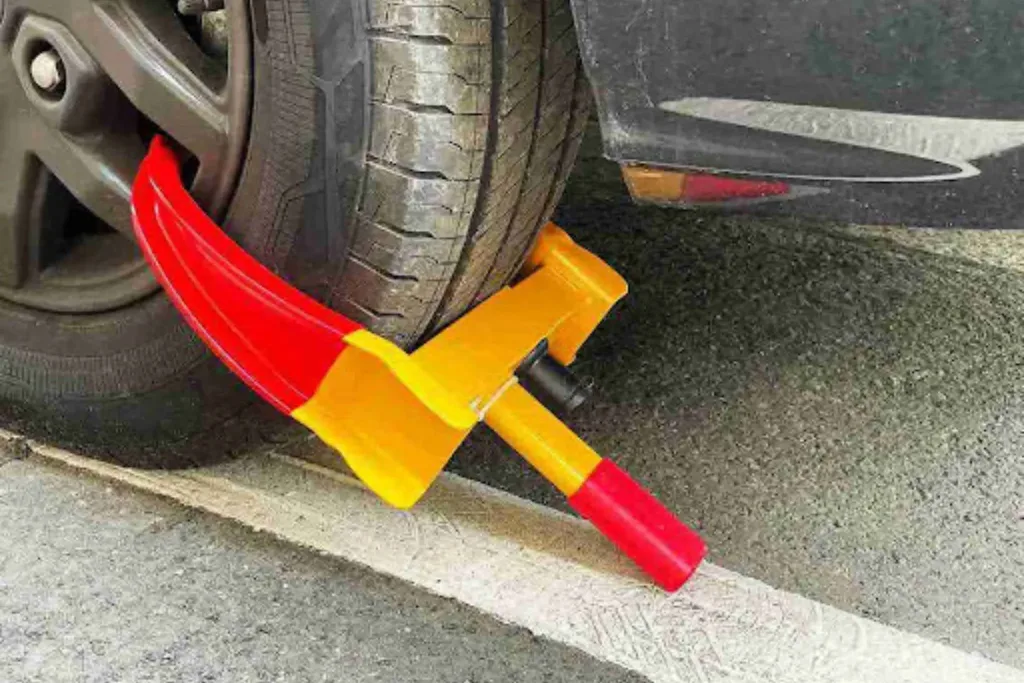
In the auto transport industry, “inoperable” has a specific definition that goes beyond whether the engine starts. A vehicle is considered inoperable if it cannot be safely loaded and unloaded using standard drive-on/drive-off methods.
The minimum requirements for winch loading:
- Wheels must roll freely,even if the engine is dead
- Steering system must turnso the driver can guide during loading
- Parking brake must releasecompletely
If your car meets these three conditions, most carriers can handle it with winch assistance, even though it won’t run.
Some vehicles fall outside the standard inoperable classification. Cars with locked wheels from seized brakes can’t be winched safely. Vehicles missing wheels, axles, or with severe suspension damage need forklift assistance or flatbed transport. These situations move beyond typical non-running scenarios into specialized transport territory.
Winch-Only vs. Forklift-Required Vehicles
Winch-Load Vehicles
Most non-running vehicles fall into the winch-load category. These are cars where the engine doesn’t start, but basic mechanical systems remain functional enough for assisted loading. A dead battery, failed fuel pump, or seized engine all qualify as long as the wheels roll and the steering turns.
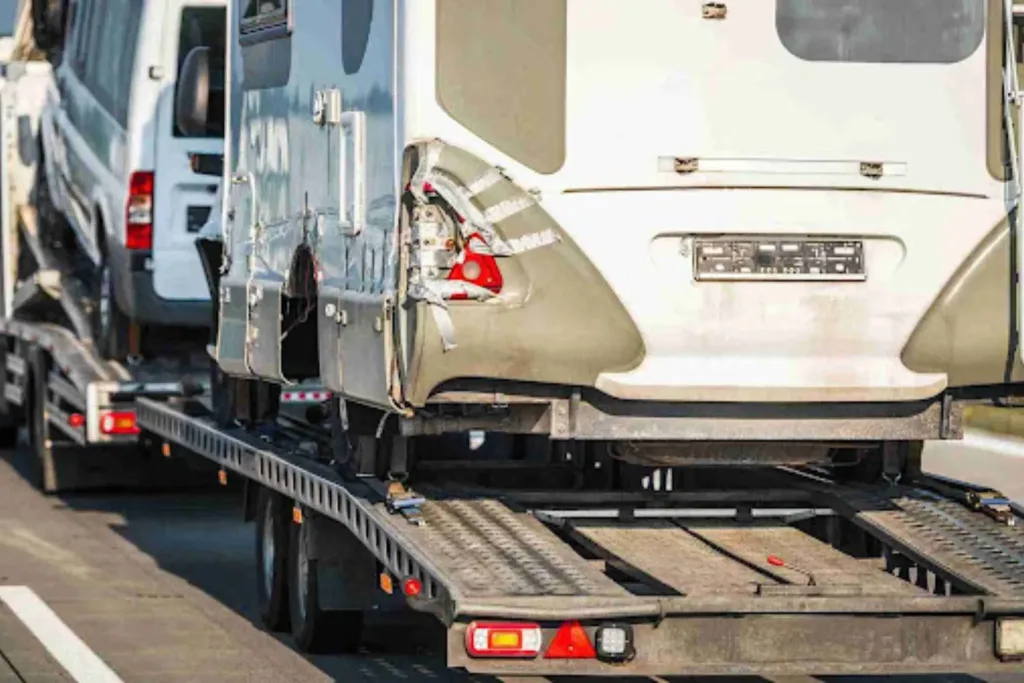
Winch loading involves attaching a steel cable to designated anchor points on your vehicle’s frame or tow hooks. The carrier’s winch system then pulls the vehicle up the ramp and onto the trailer deck. Most open and enclosed car carriers have winch systems standard.
Forklift or Specialty Equipment Required
Vehicles with locked wheels or completely seized brakes cross into specialty territory. A winch can’t safely pull a car that won’t roll, as dragging locked wheels damages both the vehicle and trailer deck.
Situations requiring forklift or specialty equipment:
- Completely seized brakes, preventing wheel movement
- Missing wheels from theft, accident damage, or restoration
- Severe axle damage or suspension failure
- Frame damage is preventing structural integrity during loading
These specialty shipments cost more because they require specific equipment and limit which carriers can accept the load. Not every driver has forklift access at pickup and delivery locations.
Hidden Fees to Expect When Shipping a Non-Running Vehicle
The inoperable vehicle surcharge appears in nearly every non-running car shipment. This fee covers the extra time, equipment use, and liability involved in winch loading. Some carriers include this in their quote; others add it as a line item.
Forklift or specialty loading fees apply when winch assistance isn’t sufficient. These charges vary widely based on location and equipment availability. Storage or rescheduling fees hit when pickups fail due to mismatched equipment expectations.
Under-disclosing vehicle condition creates the biggest pricing problems. When you tell a transport company your car is “just non-running” but fail to mention locked wheels or missing parts, quotes don’t reflect actual requirements. To avoid surprise charges, always disclose your vehicle’s exact condition upfront andrequest a non-running vehicle shipping quotethat reflects the equipment your car actually needs.
Title, Ownership, and Gate Pass Logistics
Title requirements depend heavily on pickup and delivery locations. Residential pickups rarely require title documentation, as you’re present to authorize the transport. However, auction houses, impound lots, towing yards, and storage facilities almost always demand proof of ownership before releasing a vehicle to a carrier, something we cover in detail in our guide toauction vehicle shipping requirements.
Car Go Auto Transport handles documentation coordination for complex pickup scenarios, ensuring all required paperwork reaches the carrier before the scheduled pickup date.
Salvage titles don’t typically prevent transport, though some carriers have policies against hauling vehicles with salvage or rebuilt status. Disclose salvage title status upfront so brokers can match you with carriers willing to accept this vehicle classification.
Gate passes become necessary for restricted access locations:
- Auctionsrequire specific authorization forms completed in advance
- Impound lotsneed release documentation from towing company or law enforcement
- Military basesdemand visitor authorization and vehicle registration information
- Portshave their own documentation requirements for international shipping connections
Contact authorization matters when you’re not present at pickup. Someone needs explicit permission to hand over your vehicle to the carrier, including written authorization and working contact phone numbers.
Residential Delivery Constraints and Access Issues
Large car haulers can’t navigate most residential streets. These trailers measure 75 to 80 feet long and need wide turning radii. Narrow neighborhood streets, low-hanging trees, tight corners, and parked cars create obstacles that make residential delivery impossible for full-size carriers.
HOA restrictions and city parking limitations often prohibit commercial vehicles from parking on community streets. Alternative delivery options solve most access problems:
- Nearby commercial parking lots with ample space
- Shopping centers or office parks with large open areas
- Industrial areas with designated staging zones
- Public parking facilities accessible to large trucks
Planning drop-off locations in advance prevents last-minute scrambling. When booking transport, discuss delivery constraints with your broker and identify suitable meeting spots before the driver heads your direction.
How to Prepare a Non-Running Vehicle for Transport
Clear loose items and debris.Non-running vehicles often accumulate tools, parts, or personal belongings. Remove everything not bolted down. Loose items shift during winch loading and become projectiles on rough roads.
Verify wheel movement and steering.Roll the vehicle a few feet to confirm the wheels turn freely. Test the steering by turning the wheel lock to lock. Check that the parking brake fully releases. If any of these systems don’t work as expected, contact your transport company immediately.
Check battery status.A battery with some remaining charge helps during loading if steering assist or brake systems need power. If the battery is completely removed, inform the carrier in advance.
Take detailed photos.Document every angle before pickup. Non-running vehicles often have cosmetic or structural damage that needs clear pre-transport records. These photos become evidence if condition disputes arise.
Choosing the Right Transport Company for Non-Running Cars
Questions to ask before booking:
- How do you handle winch loading versus forklift requirements?
- Can you provide examples of similar vehicles you’ve transported recently?
- What’s included in your inoperable vehicle surcharge?
- What additional fees might apply to my specific situation?
Experience with salvage and non-running vehicles separates capable companies from those just quoting any load. Companies that regularly handle auction vehicles, insurance total loss claims, and restoration project transport know the equipment and paperwork requirements.
Red flags to avoid:
- Prices are significantly below market, suggesting improper assessment
- Vague language about fees or conditional pricing
- Unwillingness to discuss specific vehicle condition details
- No experience with your type of non-running vehicle
Avoid Delays by Planning for the Right Equipment
Accurate disclosure about your vehicle’s condition saves both time and money in non-running vehicle transport. When transport companies understand exactly what equipment your car needs, they match you with properly equipped carriers from the start. This transparency eliminates surprise fees, failed pickups, and scheduling delays.
Proper planning means documenting specific mechanical issues, confirming whether wheels roll and steering turns, and considering access limitations at both pickup and delivery locations.
Frequently Asked Questions
Ready to ship your non-running vehicle?
Our team specializes in logistics for inoperable vehicles and will ensure your car receives the right equipment and an experienced carrier from start to finish. If you’re unsure whether your vehicle requires winch loading or specialty equipment,contact our transport specialiststoday and get clear answers before scheduling pickup.
About the Author: Malachi Flesher
