
Why Non-Running Vehicles Require a Different Transport Plan
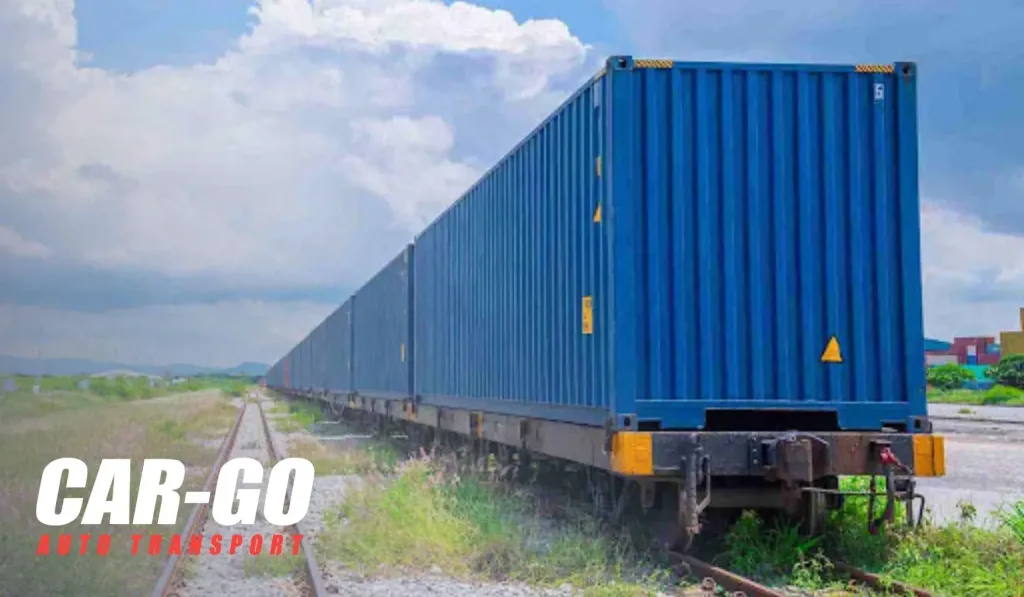
Every few weeks, someone asks whether shipping their car cross-country by train makes more sense than using a truck. The question usually stems from the same assumption: that rail transport must be cheaper, safer, or faster simply because trains can haul so much at once.
That logic seems reasonable. Trains do move massive volumes across the continent every day. But the truth about railcar shipping for personal vehicle owners sits somewhere between “rarely practical” and “theoretically possible.”
While rail shipping sounds efficient in theory, experienced auto transport specialistsknow that most personal vehicle shipments still rely on trucks for reliability and accountability.
What “Multi-Modal” Auto Transport Really Means
Truck + Train vs. Truck-Only Shipping
Multi-modal transport means using more than one method to move a vehicle from point A to point B. In auto shipping, this usually refers to some combination of rail and truck. The car rides a train for the long haul, then gets loaded onto a truck carrier at each end to reach its actual pickup and delivery addresses.
Rail never operates door-to-door. Someone still needs to drive or haul the vehicle to a rail yard, load it onto an auto-rack railcar, transport it across the rail network, unload it at another yard, then complete the final delivery by truck. Each of those steps adds time, coordination, and cost.
How Rail Fits Into the U.S. Auto Transport System
The rail infrastructure in the United States was built primarily for manufacturers and dealerships, not individual consumers. Car manufacturers ship thousands of new vehicles from assembly plants to distribution centers using dedicated auto-rack cars. Those operations run on fixed schedules, along established corridors, with guaranteed volume that justifies the rail carrier’s investment.
Individual car owners don’t fit neatly into that system. Rail companies prioritize bulk contracts and regular routes.
How Auto-Racks, Rail Yards, and Loading Ramps Work
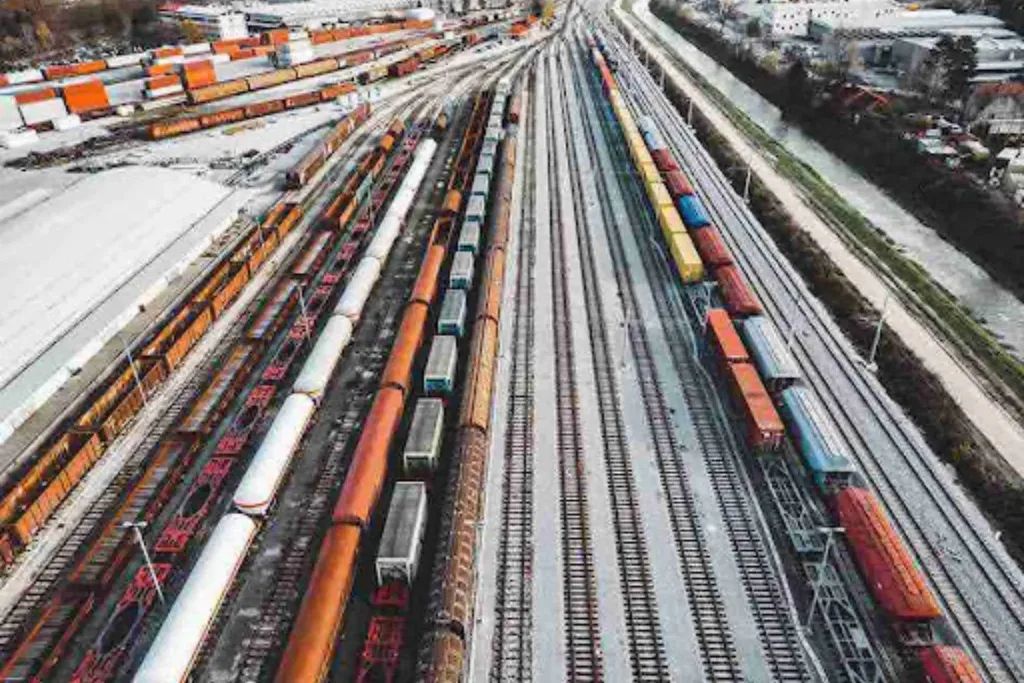
What an Auto-Rack Railcar Is
An auto-rack railcar is a specialized freight car designed to hold multiple vehicles stacked on different levels. Modern auto-racks can be fully enclosed or open-sided, depending on the cargo and weather considerations.
Not every vehicle fits easily into an auto-rack. Oversized trucks, lifted vehicles, or cars with aftermarket modifications may exceed height or width limits. Rail carriers stick to strict loading guidelines, and anything outside those parameters gets rejected.
Rail Yards and Ramps Explained
Rail yards are industrial facilities where freight cars get assembled, sorted, and dispatched. Loading ramps for vehicles exist at only a limited number of these yards, and most are not set up to handle individual consumer shipments.
Key challenges with rail yards include:
- Limited accessibility:Most yards don’t accept personal vehicles
- Strict scheduling:Drop-off windows are narrow and inflexible
- Security variations:Multiple handoffs create custody gaps
- Equipment delays:Labor and machinery availability affect loading times
When Rail Transport for Personal Vehicles Is Actually Available
The Few Legitimate POV (Privately Owned Vehicle) Rail Scenarios
Railcar shipping for personal vehicles does happen, but usually under particular circumstances:
- Snowbirds moving between northern and southern states along major rail corridors
- Military families relocating under institutional contracts
- Dealerships and fleet operators handling bulk vehicle moves
But for the average car owner, shipping a single vehicle? The opportunities are limited.
Why Availability Is So Limited
Rail companies operate on volume and efficiency. A single car doesn’t generate enough revenue to justify the administrative overhead, insurance paperwork, and scheduling flexibility required to accommodate it. Liability concerns also play a role. Rail carriers prefer working with commercial accounts that understand the risks and have established insurance coverage.
Common Broker Myths About Rail Car Shipping
“Rail Is Cheaper Than Trucking”
This claim falls apart once you account for the full cost structure. Multi-modal transport requires paying for:
- Truck pickup to origin rail yard
- Rail loading and handling
- Rail transit fees
- Rail unloading and storage
- Final truck delivery
Storage fees apply if the vehicle sits too long between transfers. By the time all those expenses stack up, the total often exceeds what truck-only transport would have cost.
“Rail Is Faster for Long Distances”
Rail schedules run on fixed timetables determined by freight volume, track availability, and switching yard operations. A train might cover distance efficiently, but that advantage disappears when you factor in the waiting periods at each end.
Truck carriers offer flexible routing. A driver can adjust the schedule based on traffic, weather, or customer needs. Fewer transfer points mean less idle time and more predictable delivery windows.
“Anyone Can Book Rail Transport”
Most auto transport brokers cannot access rail services directly. They may quote based on assumptions, but actually securing space on a railcar requires relationships with rail carriers that most brokers don’t have.
Quoting rail transport and actually delivering on it are two very different things.
Before committing to any shipping method, it’s critical to compare real costs, starting by requesting an accurate car shipping quotebased on your route, timeline, and vehicle type.
Realistic Timelines for Rail + Truck Transport
How Long Rail Shipping Really Takes
A multi-modal rail shipment takes significantly longer than truck-only transport. That includes the time to truck the vehicle to the origin rail yard, wait for the next scheduled departure, ride the rail network, sit at the destination yard, and complete the final truck delivery.
Rail estimated time of arrival windows are harder to guarantee than truck ETAs. Delays at switching yards, track congestion, and weather-related disruptions all affect the schedule.
When Truck Shipping Is Actually Faster
For most routes, truck transport offers a faster total transit time because it skips the rail yard waiting periods and the extra transfer steps. A truck can pick up a vehicle and deliver it directly. The absence of intermediate storage points reduces the chances of delays caused by yard congestion or scheduling conflicts.
Car-Go Auto Transport specializes in direct truck routing precisely because it offers better speed, transparency, and accountability than multi-modal alternatives.
Why Most Vehicle Shipments Stay Truck-Only
Flexibility and Coverage
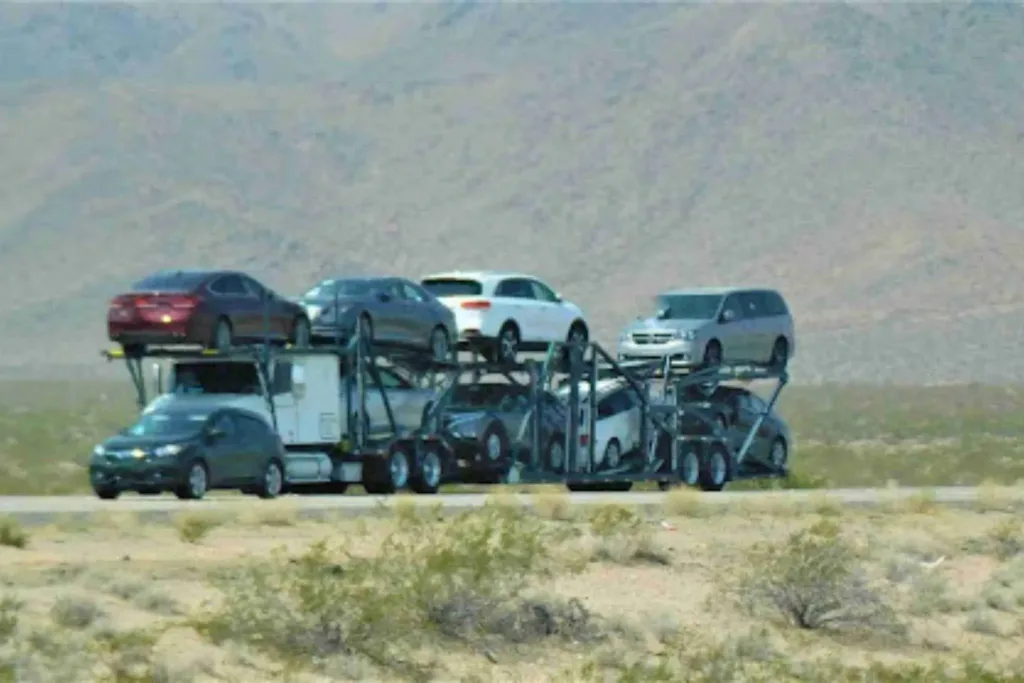
Truck carriers can reach almost any residential address in the country. They pick up from driveways, parking lots, and storage facilities without requiring the customer to drop off the vehicle at a distant rail yard.
Key advantages of truck transport:
- Door-to-door service:No need to access rail yards
- Flexible scheduling:Adjustable pickup and delivery windows
- Wider coverage:Reaches residential areas that rail can’t access
- Real-time communication:Direct contact with drivers
Risk Management and Vehicle Handling
Every time a vehicle gets loaded or unloaded, the risk of damage increases. Truck-only transport minimizes handling events. The car gets loaded once at pickup and unloaded once at delivery. Multi-modal rail transport adds at least two more handling events, plus the risk of damage during rail yard storage.
Truck drivers also maintain direct custody of the vehicle throughout the trip, which creates
clearer accountability if damage does occur.
Transparency and Communication
Tracking a vehicleon a truck is straightforward. Drivers communicate updates, send location pings, and respond to customer questions. Tracking a rail shipment involves contacting rail yards, waiting for status updates, and dealing with limited visibility.
Direct carrier accountability makes a difference. With truck transport, one company handles the entire shipment. With multi-modal rail, responsibility gets split between trucking companies, the rail carrier, and the yards.
When a Multi-Modal Approach Might Make Sense
Despite the drawbacks, rail transport can work under the right conditions:
- Long-distance moves where time flexibility exists
- Routes along major corridors with accessible, active rail yards
- Seasonal migrants traveling the same route repeatedly
But even in those scenarios, most people still choose truck transport because the convenience and reliability outweigh any marginal savings rail might offer.
Final Verdict: Rail vs. Truck for Auto Transport
Rail car shipping exists as a niche option, not a default choice. It works best for commercial operations moving large volumes along fixed routes. For individual car owners shipping one vehicle across the country, truck transport remains the industry standard because it delivers better speed, flexibility, and accountability.
Claims about rail being cheaper or faster need careful scrutiny. Brokers who promise rail service without the infrastructure to deliver it do their customers a disservice.
When evaluating shipping methods, focus on what the method actually delivers, not what it sounds like it should deliver.
Frequently Asked Questions
Get Expert Guidance on Your Auto Transport
Choosing between rail and truck shipping shouldn’t be based on marketing claims or assumptions. It should be based on what actually works for your vehicle, route, and timeline.
Car-Go Auto Transport cuts through the confusion with honest assessments and proven truck-only solutions. We don’t oversell rail options that won’t materialize. Instead, we deliver reliable door-to-door service with real-time tracking and direct carrier accountability.
Ready to ship your vehicle the right way? Contact Car-Go Auto Transport todayfor a transparent quote and expert advice tailored to your specific needs. No myths, no upselling, just straightforward service that gets your car where it needs to go.
About the Author: Malachi Flesher
