
Most auto transport companies operate as brokers because nationwide car shipping depends on coordinating licensed carriers across specialized routes, not on owning trucks.
When you’re trusting someone with a vehicle worth thousands of dollars, discovering they’ll hand it off to another company feels unsettling. But here’s what you need to know up front: most reputable auto transport companies operate as brokers because nationwide vehicle shipping requires a network, not just truck ownership.
Being a broker isn’t a red flag. It’s how the industry functions at scale. This article explains why the broker model exists, how legitimate companies use it to better serve customers, and what scams actually look like so you can spot the difference.

Why Auto Transport Uses a Broker-Based Model
Think about what nationwide vehicle shipping actually requires. Your car might need to go from Miami to Seattle, or from rural Montana to suburban New Jersey. That’s thousands of potential routes across every combination of cities, towns, and states.
No single trucking company can efficiently cover all those routes. Even the largest carriers specialize in specific lanes where they operate regularly. A carrier based in Texas might run frequent routes between Dallas and Phoenix but rarely venture to the Northeast.
Brokers exist to solve this coordination problem. They maintain relationships with hundreds of licensed carriers across different regions. When you need your car shipped, the broker matches your specific route with a carrier already traveling that direction. This reduces empty backhaul miles, which keeps the system efficient and competitive.
Why Owning Trucks Doesn’t Mean Better Auto Transport Coverage
Many car owners assume companies that own their own trucks must provide superior service. The logic seems sound: direct ownership means more control, right?
In reality, owning trucks often limits what routes a company can service. Carriers face practical constraints:
- Fixed operational laneswhere they’ve built expertise and regular business
- Seasonal patternsthat shift which routes make financial sense
- Capacity constraintslimit how many vehicles they can handle at once
These limitations hit hardest on long-distance or rural routes. A carrier with trucks in Atlanta might turn down your shipment from Vermont to Oregon because the route doesn’t align with their business model.
This is where the broker model becomes an advantage. Brokers aren’t limited by fleet availability. They can find carriers already heading toward your destination, even somewhere off the beaten path.
How Legitimate Auto Transport Brokers Actually Operate
Licensed brokers must register with the Federal Motor Carrier Safety Administration and maintain a surety bond. This creates legal accountability and financial protection for customers.
Before working with any carrier, brokers verify:
- Active licensing and insurance coverage
- FMCSA safety ratings
- Operating authority and DOT compliance
When you book a shipment, the broker assigns a dispatcher who coordinates every step. They contact carriers traveling your route, arrange pickup timing, and provide you with the carrier’s insurance details and DOT number.
Throughout the shipment, the broker remains your point of contact. If something goes wrong during pickup or delivery, you call them. They handle communication with the carrier and work through any issues that arise.
Car-Go Auto Transport maintains direct contact with customers through every stage while coordinating with vetted carriers who handle the physical transportation. Their team keeps you informed through email, text, or phone calls so you’re never left wondering where your vehicle is.
Why the “Middleman” Label Is Misleading in Auto Transport
The term “middleman” carries negative connotations of unnecessary markup. But that framing doesn’t match how auto transport brokers actually function.
Carrier rates are set by market conditions: fuel costs, route demand, and available capacity. The broker’s fee covers coordination work, including carrier vetting, dispatch services, customer communication, and problem resolution.
What brokers really do is optimize the matching process. They know which carriers run which lanes regularly. They understand timing patterns and seasonal shifts. They can quickly connect your shipment with a carrier who’s already headed your direction.
Removing brokers from the equation often creates worse outcomes. You’d need to contact individual carriers yourself, many of whom only operate regionally. If your assigned carrier cancels at the last minute, you’d start the search process over from scratch.
How Broker-Based Shipping Improves Reliability for Customers
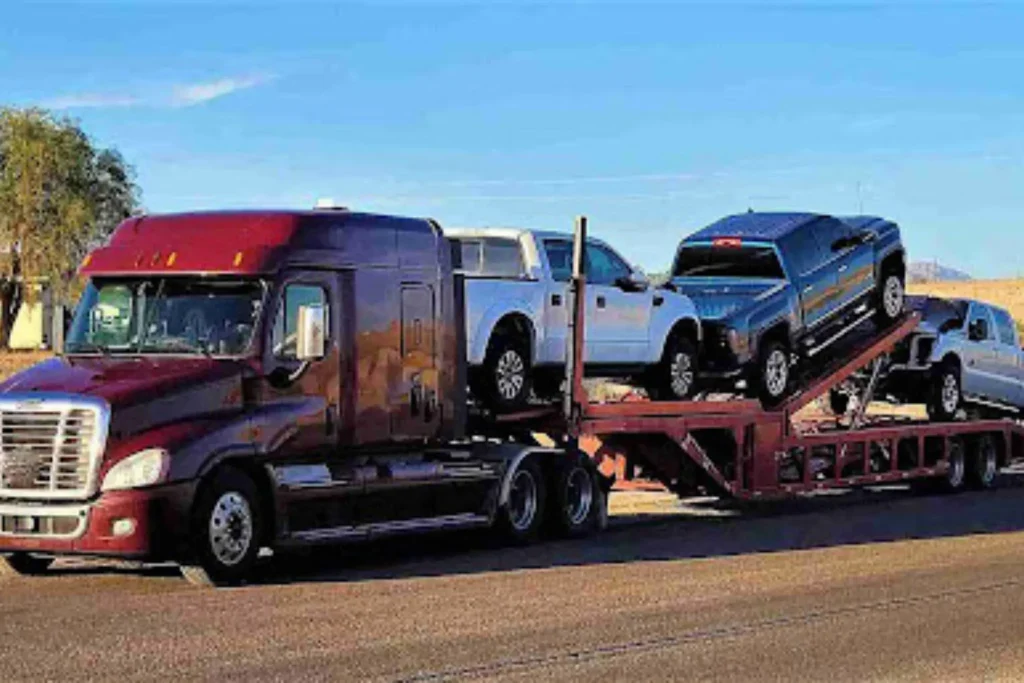
The broker model creates practical advantages that directly benefit car owners shipping vehicles.
Speed matters when you need a car moved.Brokers can often arrange pickup quickly because they’re simultaneously working with dozens of carriers. If the first carrier they contact is booked, they immediately reach out to the next option.
Backup options protect you from cancellations.Carriers sometimes back out due to mechanical issues or route changes. When you’ve booked through a broker, they simply assign a different carrier from their network.
Centralized coordination reduces stress.You have one phone number to call with questions. You receive updates from a consistent point of contact. You’re not managing relationships with multiple parties or trying to figure out who’s responsible when issues arise.
What Scams Actually Look Like in Auto Transport (And How to Avoid Them)
Since legitimate brokers and fraudulent operations both work without owning trucks, how do you tell them apart?
Real scams share recognizable warning signs:
- No MC or DOT number, or the number doesn’t match their company name in the FMCSA database
- Refusal to share carrier insurance informationor claim you’ll get details later
- Quotes far below market ratesto hook you, then demands for upfront payment before assigning a carrier
- Vague agreementswithout specific terms or contract details
- Pressure to pay immediatelyvia cash, wire transfers, or prepaid cards
- Fabricated reviewsor no verifiable customer feedback
Legitimate brokers operate completely differently. They provide licensing information upfront and encourage you to verify it. They explain their process clearly and put everything in writing. They collect deposits only after assigning a specific carrier and sharing that carrier’s credentials.
The key distinction is transparency. Scammers hide information and rush you toward payment. Legitimate brokers want you to understand exactly how the process works.
Why Brokers Are Especially Important for Long-Distance and Cross-Country Shipping

The broker advantage becomes most obvious when shipping across multiple states or to remote locations.
Cross-country shipments require multi-state coordination that individual carriers struggle to provide consistently. A carrier might handle the Texas-to-California leg efficiently but have no infrastructure for pickup in Vermont or delivery in rural Wyoming.
Carrier lane specialization is real. Truckers build businesses around routes they can run profitably and regularly. That means excellent service on their core lanes but limited availability elsewhere. Brokers work across these specialized networks to create comprehensive coverage.
Rural pickup and delivery present challenges that truck ownership alone can’t solve. Carriers avoid routes that take them far off major highways because deadhead miles eat into profits. Brokers can serve rural locations by finding carriers already nearby or willing to make the detour.
Why Many Trusted Auto Transport Companies Choose the Broker Model
The industry’s most trusted names operate as brokers because the model offers advantages that truck ownership can’t match.
Scalabilitylets brokers serve customers across any route without geographic limitations. They’re not restricted by where their own trucks happen to be positioned.
Customer experience improveswhen companies specialize in coordination rather than splitting focus between fleet management and customer service. Brokers invest in dispatch teams, communication systems, and problem resolution processes.
Accountability actually increasesbecause there’s clear separation of responsibilities. The broker handles booking and customer communication. The carrier handles vehicle transportation. If something goes wrong, you know exactly who’s responsible for which part.
How to Tell If an Auto Transport Broker Is Legitimate
You can check a broker’s credibility yourself with a few simple steps:
- Verify FMCSA registration: Every legitimate broker has an active MC number you can search on the FMCSA website
- Check verifiable contact information: Physical addresses, direct phone numbers, and business email addresses
- Request clear process explanations: How they select carriers, what happens during pickup, how you’ll receive updates
- Watch for pressure tactics: Legitimate brokers give you time to research and ask questions without demanding immediate payment
- Get everything in writing: Quotes, pickup windows, carrier assignments, and terms should all be documented
Frequently Asked Questions
Ready to Ship Your Vehicle With Confidence?
The broker model exists because it solves real logistical challenges in nationwide vehicle shipping. Companies that coordinate carrier networks provide the infrastructure that makes auto transport accessible across every route in the country.
Car-Go Auto Transport provides transparent, broker-based auto shipping with verified carriers, direct customer communication, and no hidden fees.Get your free quote todayand experience the difference that clear communication and professional coordination make in vehicle shipping.
About the Author: Malachi Flesher
